



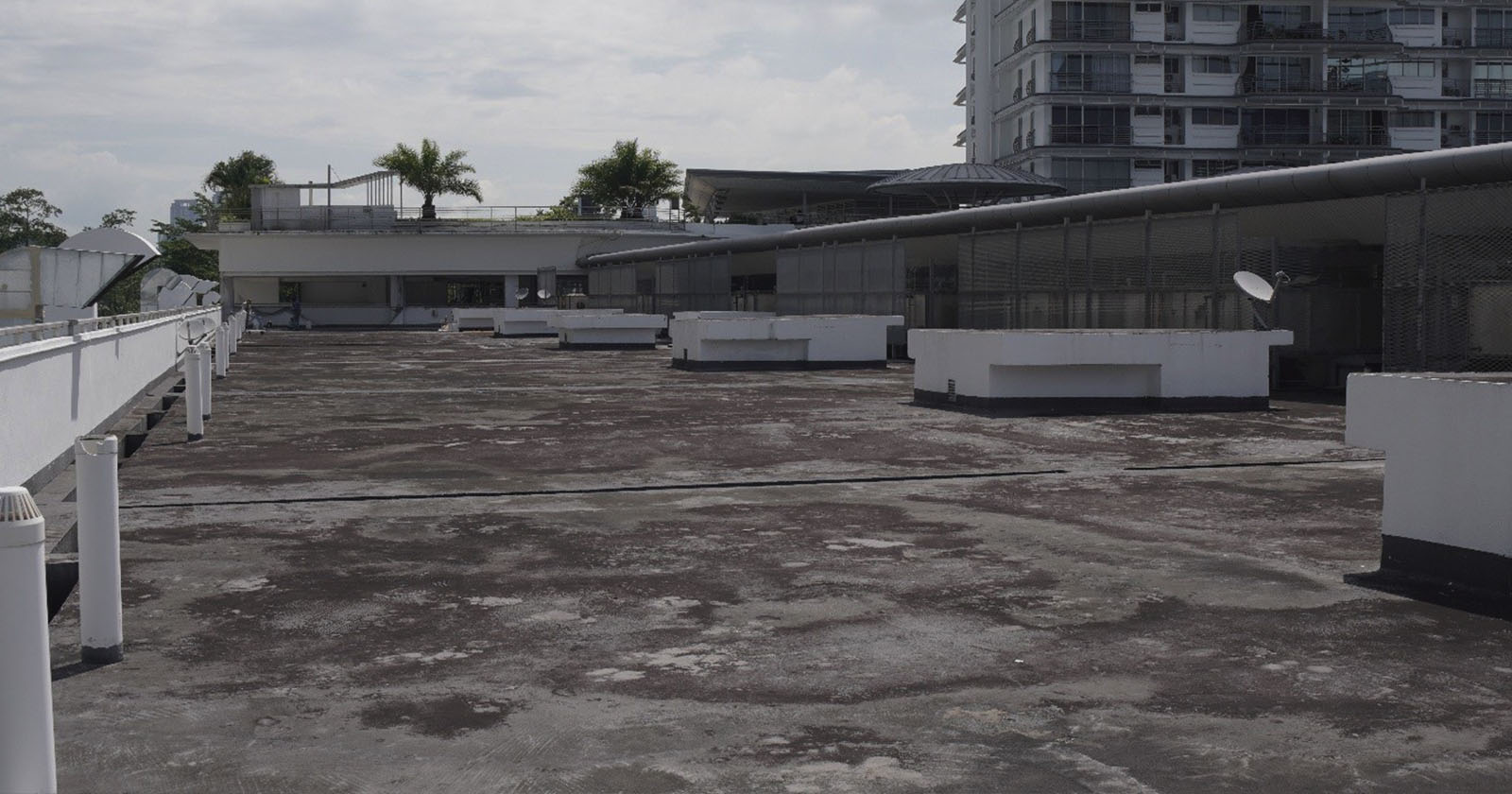
The nearly 20-year-old commercial rooftop before the new waterproofing system was installed
Why This Commercial Roof Kept Leaking Despite Multiple Repairs
One of the most frustrating problems for building owners is not a roof leak itself, but a roof leak that keeps coming back even after multiple repairs. At this nearly 20-year-old commercial building, the owner had already tried fixing the issue before. Yet complaints from office tenants continued, including leaking ceilings, damaged cabinets, and persistent damp smells.
The issue was no longer just a maintenance inconvenience. It had become an ongoing building problem that affected tenant comfort, asset condition, and confidence in the repairs being done.
The real issue was not simply where the water was entering, but why the leaks kept returning. That question is what separates temporary patchwork from a proper waterproofing solution.
Why repeated roof leaks are a serious commercial building problem
When a commercial roof keeps leaking despite previous repair works, it usually means the root cause has not been fully identified. In many cases, surface patching may temporarily hide the symptoms, but it does not solve the actual site conditions that continue to stress the waterproofing system.
At this building, inspection revealed that the damage was already affecting daily operations. Office tenants had experienced leakage, interior damage, and damp odours, all of which can create dissatisfaction and ongoing maintenance costs.
This is why repeated roof leakage should never be treated as a minor defect. It is often a sign that the waterproofing system, drainage condition, substrate movement, or workmanship quality needs a more thorough evaluation.
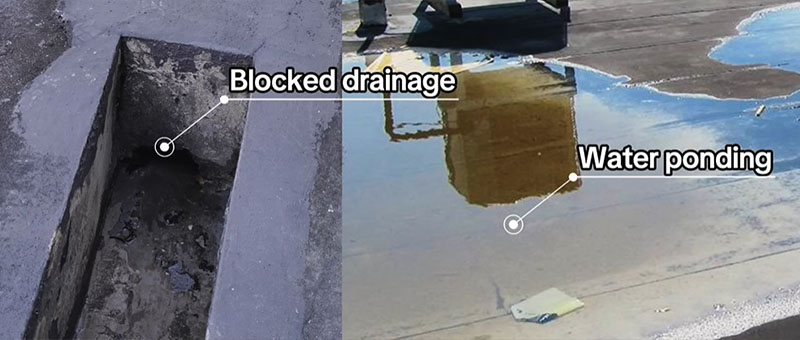
The primary causes of failure: blocked drainage and significant water ponding
The real reasons the roof kept leaking
1. Blocked drainage and water ponding
One of the biggest issues was blocked drainage combined with water ponding. When water cannot drain away efficiently, it remains on the roof surface for too long, placing continuous pressure on the waterproofing membrane. Over time, prolonged water exposure weakens the system and increases the risk of failure.
In this case, the problem was made worse by the presence of 13 water tanks on the roof, contributing to uneven water flow and additional moisture stress.
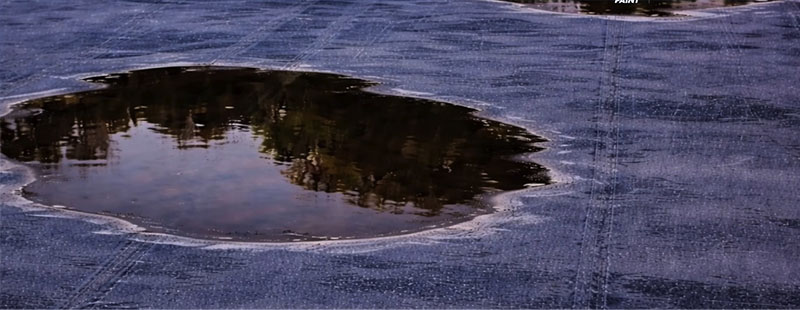
Standing water (ponding) on top of the waterproofing membrane
2. Failed waterproofing from previous repair attempts
The existing waterproofing had already failed within one to two years. Based on the assessment, it was likely a DIY-type application using low-grade materials. When the wrong material is used or not suited for actual site conditions, repairs do not last.
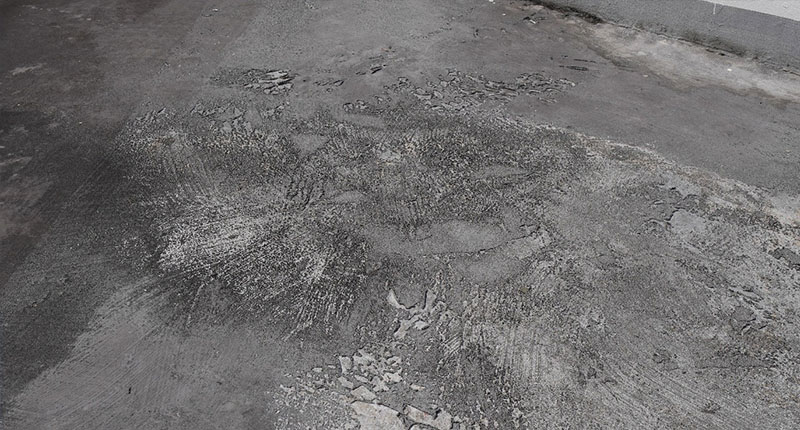
The deteriorated condition of the existing roof membrane
3. Deteriorated membrane condition
The roof membrane had deteriorated significantly. Poor material quality and workmanship reduced its ability to withstand weather, standing water, and building movement.
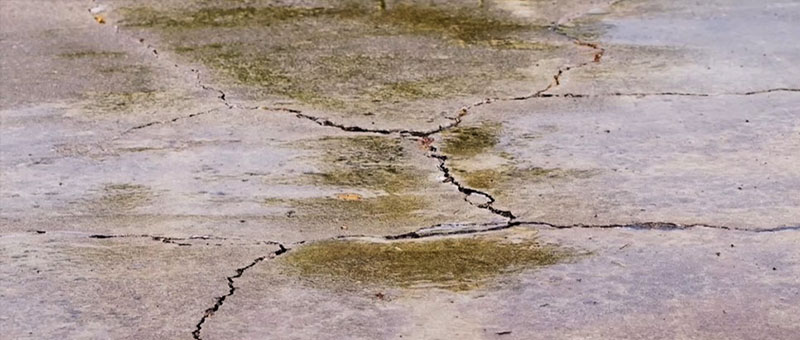
Cracks caused by thermal movement on the concrete roof
4. Cracks caused by thermal movement
Roofs expand and contract due to temperature changes. This movement creates cracks, which become entry points for water if the waterproofing system cannot accommodate movement.
Why basic repair was not enough
This case clearly showed that the building did not need another short-term fix. It required a waterproofing system designed around the actual site challenges.
When ponding, failed materials, deteriorated membranes, and movement are all involved, addressing only visible cracks will not solve the issue.
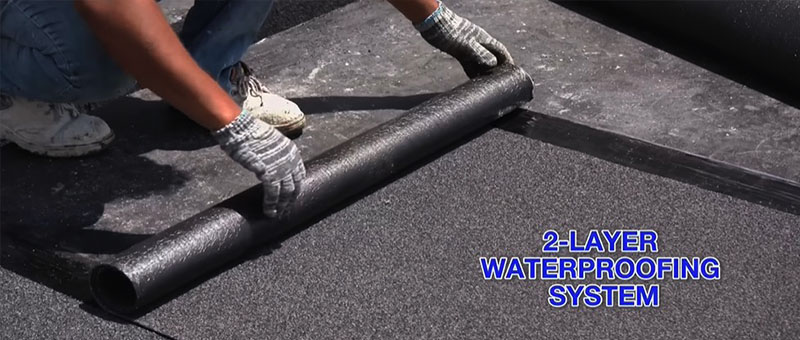
Installation of the NippoGARD M4000-TA system by specialists
The Nippon Paint solution: a two-layer waterproofing system
After identifying the root causes, Nippon Paint recommended the NippoGARD M4000-TA system, a customised two-layer waterproofing solution.
The process began with Nippon Paint PRIMEBIT as a primer to improve adhesion. This was followed by the application of NippoGARD M4000-TA, a high-performance sheet membrane reinforced with 140g/m² mesh for added strength and durability.
Why workmanship matters as much as the product
A waterproofing system is only as reliable as its installation. Even strong materials can fail if not applied correctly.
In this project, approved specialists carried out the installation to ensure quality workmanship. The system is supported by SIRIM lab-tested reports and offers up to a 10-year warranty.
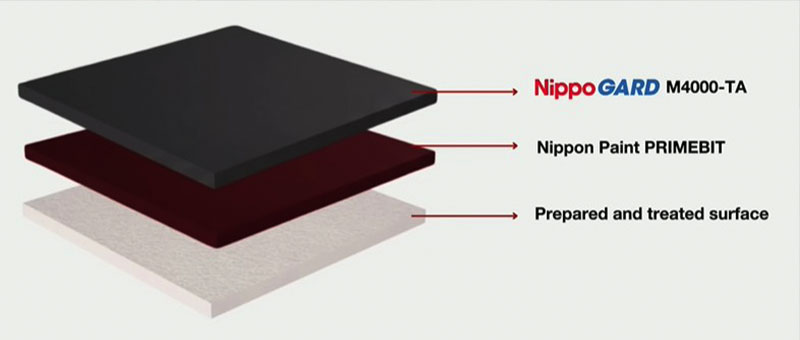
The completed waterproofing system build-up
The result: from recurring leaks to long-term roof protection
With the new system installed, the roof was properly sealed and protected. This resulted in:
No more recurring leaks
The system addressed root causes instead of symptoms.
Protection for interiors
Prevented further damage to ceilings and fixtures.
Improved tenant comfort
Reduced damp smells and complaints.
Long-term confidence
Backed by proper system design, workmanship, and warranty.
What building owners should learn from this case
Recurring roof leaks require deeper investigation. Building owners should evaluate:
- Is there water ponding?
- Is drainage blocked?
- Is the membrane deteriorated?
- Are cracks caused by movement?
- Were correct materials used?
- Was the work done by specialists?
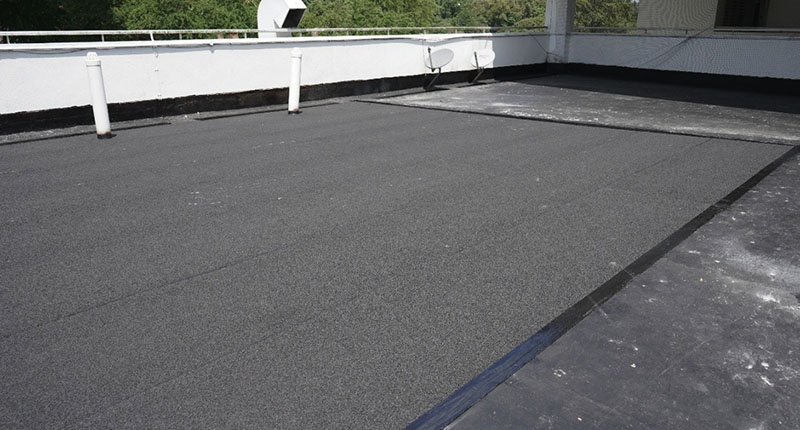
The finished roof after waterproofing installation
Conclusion
If a commercial roof keeps leaking despite multiple repairs, the problem is usually deeper than one visible crack. It often involves ponding, drainage issues, poor materials, or weak workmanship.
With proper diagnosis and the right system, it is possible to stop recurring leaks and protect the building long term.
FAQ
Why does a commercial roof keep leaking after repair?
Because the root cause was not resolved. Common reasons include ponding, drainage issues, poor materials, or weak workmanship.
Can roof leak repair fail within one to two years?
Yes, especially when low-quality materials or improper application methods are used.
What causes water ponding on roofs?
Blocked drainage, poor slope, or design issues can cause water to collect and remain on the surface.
Why is ponding harmful?
It places continuous stress on waterproofing systems, increasing failure risk.
What is the best way to fix recurring roof leaks?
Identify root causes and apply a properly designed waterproofing system instead of patch repairs.
Does workmanship affect waterproofing?
Yes. Proper installation is critical for long-term performance.
Contact Nippon Paint for your flooring solution needs.
To learn more, visit https://professional.nipponpaint.com.my/waterproofing-solutions or contact our Customer Careline at 1-800-88-2663 or email us at customercare@nipponpaint.com.my
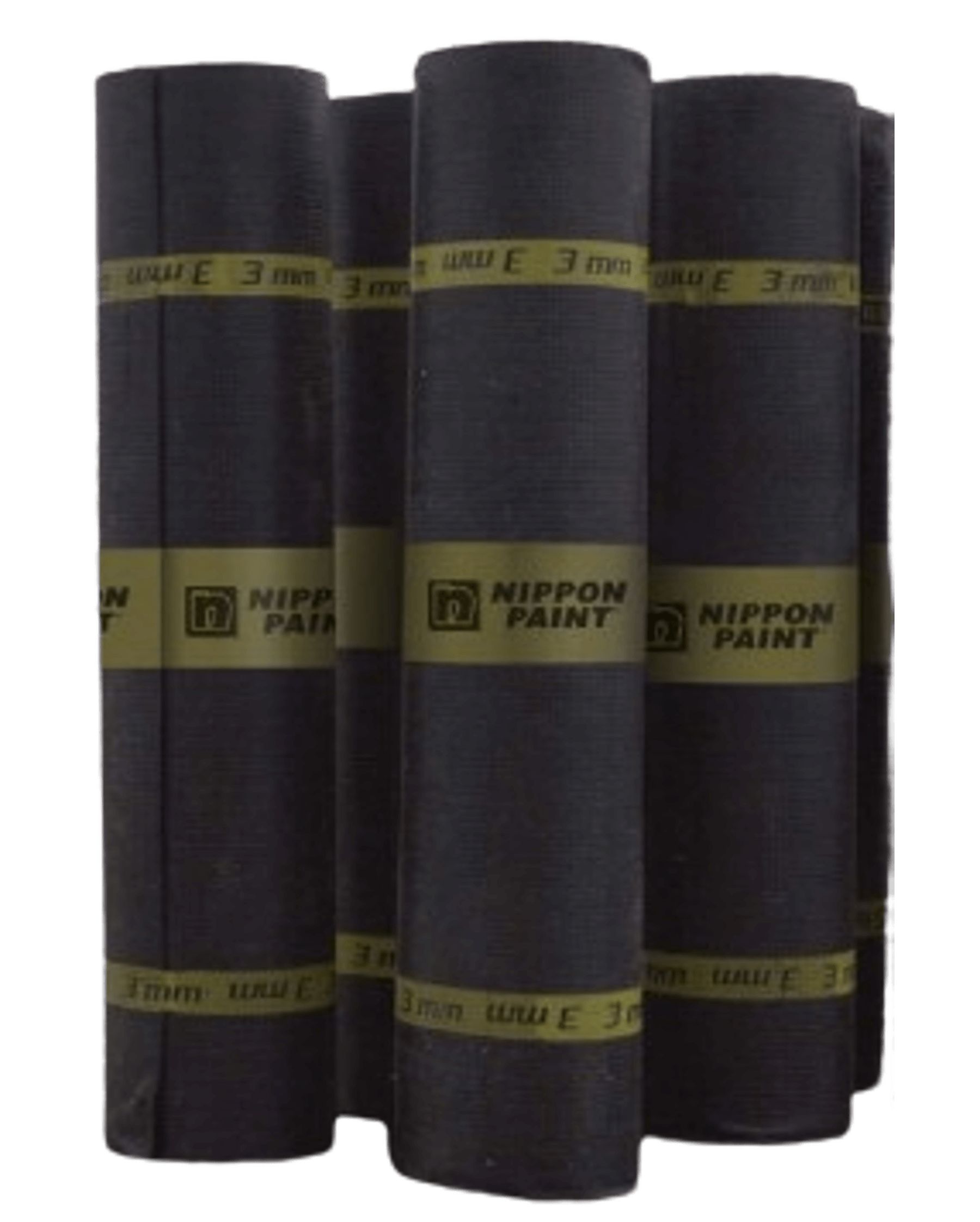
NippoGARD M4000-TA is an atactic polypropylene (APP) modified bitumen waterproofing membrane, reinforced with non-woven polyester felt, surfaced with reflective natural color slates to provide weather protection against UV and mechanical protection against light foot traffic as well as offering an aesthetic surface. It exhibits excellent mechanical strength, elasticity and durability. It is designed to place on top of the existing r.c. roof surface and providing an economical efficient waterproofing solution to r.c. flat roof. Product Features: • High flexibility to accommodate movements • Excellent dimensional stability under tension • High resistance to positive water and vapor pressure • High puncture resistance • High heat resistance • Resists water based chemicals