


CASE STUDIES
The beauty of Nippon paint is that our coatings look good while being highly practical. Explore the Case Studies below to learn how to maximise our product benefits.
Recurring roof leaks are one of the most frustrating issues for older residential buildings. The problem becomes even more serious when the roof had already been waterproofed before, yet the leaks still return within just a few years. For residents, it leads to repeated inconvenience and damage. For building owners and management committees, they need to act quickly while trying to avoid another failed repair cycle. That was the situation at a residential building in Kuala Lumpur that is almost 39 years old. Over the years, recurring roof leaks had affected several units in the building. What made the issue more concerning was that the roof had actually undergone waterproofing less than five years earlier. Despite that, the leakage started coming back. This is not uncommon in older buildings. When waterproofing fails earlier than expected, the problem is often not just the material alone. In many cases, it is the result of poor surface preparation, weak workmanship, blocked drainage, water ponding, or an incompatible waterproofing system being applied over an existing roof condition. Why roof leaks can return even after waterproofing Many people assume that once a roof has been waterproofed, it should remain protected for years without issue. In reality, waterproofing performance depends on much more than simply applying a membrane. The substrate condition, surface preparation, drainage, layer build-up, reinforcement, and workmanship all affect how long the system will perform. When Nippon Paint inspected the rooftop areas of this residential building, several conditions were identified that are commonly seen in ageing properties. First, the existing waterproofing membrane had already deteriorated in almost all areas. This meant that the roof surface was no longer providing consistent protection against water ingress. Second, some outlets were partially blocked, causing water ponding to occur on the roof. Standing water is one of the most common reasons waterproofing systems come under continuous stress. Over time, this can weaken even a previously installed system, especially when combined with surface defects or poor detailing. Third, and most importantly, the surface preparation from the previous repair works had not been properly carried out. This is often one of the biggest hidden reasons waterproofing fails early. When the substrate is not prepared correctly, the new membrane may not bond properly, and the system can begin to fail long before it should. In many cases like this, the issue is not just the product itself. It is the combination of workmanship, preparation, drainage condition, and system compatibility. When these factors are not properly addressed, waterproofing systems can fail much earlier than expected. Why this matters even more in older residential buildings Older residential buildings present a more demanding waterproofing challenge. Roofs that have been exposed for decades are more likely to have weathered surfaces, previous repair layers, drainage problems, and movement-related stress. That is why re-waterproofing should never be treated as a simple patching exercise. In older buildings, it requires proper diagnosis, a system that is compatible with the existing roof condition, and careful application by trained specialists. Without that approach, the building risks entering a cycle of repeated repairs, where leaks keep returning and maintenance costs continue rising. What should be checked before approving re-waterproofing works For building owners, property managers, and management committees, this case also highlights several important things to check before any re-waterproofing project is approved. 1. Request a proper surface preparation method statement The roof surface condition determines how well the new waterproofing system will perform. A proper method statement should clearly explain how the surface will be cleaned, treated, and prepared before any waterproofing layers are installed. 2. Confirm system compatibility with the existing roof condition Not every waterproofing system is suitable for re-waterproofing. In older buildings especially, the proposed solution must be compatible with the actual substrate condition and site exposure. 3. Review the system thickness and full layer sequence Waterproofing performance depends heavily on correct film build, reinforcement, and layer sequence. A system is not just one coat. It is a structured build-up that must be applied correctly. 4. Ensure supervision during critical application stages Even a good product can fail if the installation is poorly supervised. Surface preparation, crack treatment, reinforcement placement, detailing, and layer thickness all need proper control on site. 5. Document the roof condition before and after the works This helps create a clearer record for future maintenance planning and gives all stakeholders better visibility into the roof’s actual condition and what was done during the repair. These checks are important because they help reduce the risk of another premature failure. Why the Management Committees selected Nippon Paint For this project, the building stakeholders were looking for a manufacturer with proven waterproofing systems and a strong track record in similar projects. Confidence in the system provider matters, especially when previous repair attempts have already failed. Nippon Paint has delivered waterproofing solutions for developments such as Hilton Hotel, Angsana Mall, TM Buildings, and Sky Oasis Residence. With that confidence, the project team selected Nippon Paint’s reinforced waterproofing system for the rooftop refurbishment. The waterproofing system used for this rooftop refurbishment For this project, Nippon Paint implemented a multi-layer waterproofing system using NippoSEAL FLEX 200 Fibre Pro. The system began with a primer layer of NippoSEAL FLEX 200 Fibre Pro to ensure strong adhesion between the substrate and the waterproofing membrane. This first step is essential in helping the system bond properly to the roof surface. Next, NippoSEAL FLEX 200 Fibre Pro was applied. This membrane contains micro-fibre reinforcement, which helps improve film strength and durability. After that, a reinforcement layer using Nippon Paint LM Mat 225 was installed to further strengthen the waterproofing membrane. Finally, additional reinforced layers of NippoSEAL FLEX 200 Fibre Pro were applied to achieve the required thickness and protection. The result is a seamless, breathable waterproofing membrane designed to resist ageing caused by heat, UV exposure, rain, and wind. The integrated micro-fibre reinforcement also helps the membrane accommodate expansion and contraction stresses that commonly occur on exposed roof surfaces. Why this system is suitable for older rooftops This reinforced system is especially valuable for older residential buildings because it is designed to address several common roof challenges at once. It provides: Strong adhesion The primer layer helps improve bonding to the substrate, which is critical in re-waterproofing works Improved film strength The micro-fibre reinforced membrane helps make the waterproofing system more durable. Additional membrane reinforcement The LM Mat 225 layer adds further strength to the overall build-up. A seamless protective layer A seamless membrane reduces weak points across the roof surface. Resistance to weathering and ageing The system is designed to withstand heat, UV, rain, and wind exposure over time. Accommodation of roof movement The reinforced membrane helps handle the expansion and contraction stresses that are common on roof surfaces. Why workmanship is just as important as product choice For older buildings especially, waterproofing should not be treated as a temporary repair. Long-term performance depends not only on the product, but also on correct preparation and proper application. For this reason, all works for this project were carried out by waterproofing specialists to help ensure proper surface preparation and correct system installation. The waterproofing system also comes with a 5 to 10-year warranty, giving the building greater long-term assurance. In addition, Nippon Paint’s waterproofing systems are supported by SIRIM certification, Green certification, and laboratory test reports, providing added confidence in both quality and performance. Conclusion This 39-year-old residential building in Kuala Lumpur is a clear example of why roof leaks can return even after waterproofing. The real causes were not limited to one failed material, but involved deteriorated membrane condition, partially blocked outlets, water ponding, and poor surface preparation from previous repair works. It is also a reminder that re-waterproofing for older buildings requires more than just another layer of coating. It requires proper diagnosis, a compatible system, correct thickness and reinforcement, disciplined workmanship, and specialist supervision. With Nippon Paint’s reinforced multi-layer waterproofing system, the building was able to move toward a more reliable and long-term roof protection solution. If your building is facing recurring roof leakage, it is important to act before the problem worsens. A proven system, supported by proper application and technical expertise, can make the difference between another short-term repair and long-lasting protection. FAQ Why does a roof leak again after waterproofing? A roof can leak again after waterproofing if the earlier repair did not properly address the real causes of failure, such as poor surface preparation, blocked drainage, water ponding, deteriorated membrane condition, or weak workmanship. Can waterproofing fail within five years? Yes. Waterproofing can fail much earlier than expected if the substrate was not prepared correctly, the wrong system was used, drainage issues were not resolved, or the application quality was poor. Why is water ponding bad for roof waterproofing? Water ponding places continuous stress on the waterproofing membrane. Over time, this can weaken the system and increase the likelihood of leaks. What should older buildings check before rewaterproofing? Older buildings should check the condition of the existing roof, the surface preparation method, system compatibility, drainage condition, full layer sequence, specified thickness, and supervision during application. What is NippoSEAL FLEX 200 Fibre Pro used for? NippoSEAL FLEX 200 Fibre Pro is used as part of a reinforced multi-layer waterproofing system to provide a seamless, durable membrane for exposed roof areas. Why does workmanship matter in waterproofing? Even a strong waterproofing product can fail if it is not installed properly. Surface preparation, detailing, reinforcement placement, and correct thickness all affect long-term performance. Contact Nippon Paint for your waterproofing solution needs. To learn more, visit https://professional.nipponpaint.com.my/waterproofing-solutions or contact our Customer Careline at 1-800-88-2663 or email us at customercare@nipponpaint.com.my
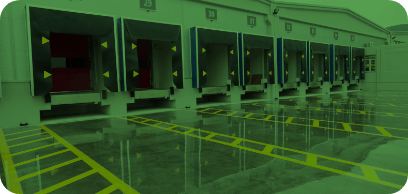
The warehouse floor before the system was applied, featuring a bare concrete slab Why This Industrial Epoxy Flooring System Works For Warehouses In industrial buildings, flooring is not just a finishing detail. It is part of the operational foundation. A warehouse floor must support heavy pallet loads, frequent forklift movement, abrasion, impact, and daily traffic without creating unnecessary dust, maintenance issues, or safety concerns. In this project, a warehouse that had been left idle for years only had bare concrete flooring. While the structure itself was sound, bare concrete was not enough to support the real demands of industrial use. As more warehouses and industrial spaces are repurposed for active operations, this challenge is becoming increasingly common. A concrete slab may appear acceptable at first glance, but once operations begin, its limitations quickly become visible. Why bare concrete is not enough for warehouse operations Bare concrete may appear strong, but it is rarely the best final surface for a working warehouse. Industrial performance requires more than compressive strength. The surface must resist abrasion, reduce dust, support movement, and remain easy to clean and maintain. Over time, untreated concrete can generate dust, wear unevenly, and create a rough operating surface. This affects cleanliness, equipment movement, and maintenance cost. The right approach: a complete industrial flooring system For this warehouse, Nippon Paint implemented a complete multi-layer industrial epoxy flooring system engineered for operational use. Each layer serves a specific technical purpose, and the system works as a whole to deliver performance. Applying NIPPON PAINT FLOORSHIELD SF Epoxy Primer as the first layer Step 1: Epoxy primer for proper adhesion The first layer was NIPPON PAINT FLOORSHIELD SF Epoxy Primer. This ensures strong bonding between the concrete substrate and the flooring system. Proper adhesion is critical in industrial flooring. Without it, even a well-finished system can fail prematurely under heavy loads and traffic. Applying NIPPON PAINT FLOORSHIELD SF Epoxy Mortar Step 2: Epoxy mortar for strength and levelling Next, NIPPON PAINT FLOORSHIELD SF Epoxy Mortar was applied. This acts as a high-strength, shrink-free underlayment that improves impact resistance and moisture protection. It provides a stable and durable foundation for industrial operations. Applying the Nippon Paint SF Epoxy Op Texture Finish Step 3: Texture finish to stabilise the surface The epoxy texture finish was applied to seal the mortar layer and create a more uniform base for the final coating. This improves consistency and strengthens the overall system. Applying the Nippon Paint Flooring SL Epoxy Finish Step 4: Self-levelling epoxy finish for daily operation The final layer was a self-levelling epoxy finish, creating a seamless, high-gloss, and easy-to-maintain surface suitable for industrial use. Why this flooring system works for warehouses The system delivers practical advantages: A seamless surface Reduces joints and unevenness. A dust-free environment Minimises dust compared to untreated concrete. Abrasion resistance Handles repeated industrial traffic. Support for heavy loads Suitable for forklifts and pallet movement. Easier maintenance Smooth surface simplifies cleaning. Improved safety and efficiency Supports smoother operations. Why industrial flooring should be seen as a system investment Industrial flooring affects efficiency, safety, maintenance, and lifecycle cost. It should be treated as a functional system, not just a decorative layer. The full FloorShield system build-up Why Nippon Paint’s approach matters The value lies in designing a complete system from primer to topcoat. This ensures durability, cleaner operations, and long-term performance. The completed warehouse flooring after the application of the Nippon Paint Flooring System Conclusion A warehouse floor must support traffic, loads, abrasion, and cleanliness. This project shows that a properly designed multi-layer epoxy system can transform bare concrete into a durable operational surface. When flooring is planned correctly, it becomes part of the business infrastructure, not just a surface finish. FAQ Why is bare concrete not ideal for warehouses? Because it can dust, wear under traffic, and be harder to maintain. What is the benefit of epoxy flooring? It provides a seamless, durable, dust-free, and easy-to-clean surface. Can epoxy handle forklift traffic? Yes, when properly specified as a multi-layer system. Why is a multi-layer system better? Each layer contributes to adhesion, strength, levelling, and protection. What does self-levelling epoxy do? It creates a smooth, seamless top surface. Is industrial flooring just about appearance? No. It affects safety, efficiency, maintenance, and long-term cost. Contact Nippon Paint for your flooring solution needs. To learn more, visit https://professional.nipponpaint.com.my/flooring-solutions/industrial-flooring or contact our Customer Careline at 1-800-88-2663 or email us at customercare@nipponpaint.com.my
The nearly 20-year-old commercial rooftop before the new waterproofing system was installed Why This Commercial Roof Kept Leaking Despite Multiple Repairs One of the most frustrating problems for building owners is not a roof leak itself, but a roof leak that keeps coming back even after multiple repairs. At this nearly 20-year-old commercial building, the owner had already tried fixing the issue before. Yet complaints from office tenants continued, including leaking ceilings, damaged cabinets, and persistent damp smells. The issue was no longer just a maintenance inconvenience. It had become an ongoing building problem that affected tenant comfort, asset condition, and confidence in the repairs being done. The real issue was not simply where the water was entering, but why the leaks kept returning. That question is what separates temporary patchwork from a proper waterproofing solution. Why repeated roof leaks are a serious commercial building problem When a commercial roof keeps leaking despite previous repair works, it usually means the root cause has not been fully identified. In many cases, surface patching may temporarily hide the symptoms, but it does not solve the actual site conditions that continue to stress the waterproofing system. At this building, inspection revealed that the damage was already affecting daily operations. Office tenants had experienced leakage, interior damage, and damp odours, all of which can create dissatisfaction and ongoing maintenance costs. This is why repeated roof leakage should never be treated as a minor defect. It is often a sign that the waterproofing system, drainage condition, substrate movement, or workmanship quality needs a more thorough evaluation. The primary causes of failure: blocked drainage and significant water ponding The real reasons the roof kept leaking 1. Blocked drainage and water ponding One of the biggest issues was blocked drainage combined with water ponding. When water cannot drain away efficiently, it remains on the roof surface for too long, placing continuous pressure on the waterproofing membrane. Over time, prolonged water exposure weakens the system and increases the risk of failure. In this case, the problem was made worse by the presence of 13 water tanks on the roof, contributing to uneven water flow and additional moisture stress. Standing water (ponding) on top of the waterproofing membrane 2. Failed waterproofing from previous repair attempts The existing waterproofing had already failed within one to two years. Based on the assessment, it was likely a DIY-type application using low-grade materials. When the wrong material is used or not suited for actual site conditions, repairs do not last. The deteriorated condition of the existing roof membrane 3. Deteriorated membrane condition The roof membrane had deteriorated significantly. Poor material quality and workmanship reduced its ability to withstand weather, standing water, and building movement. Cracks caused by thermal movement on the concrete roof 4. Cracks caused by thermal movement Roofs expand and contract due to temperature changes. This movement creates cracks, which become entry points for water if the waterproofing system cannot accommodate movement. Why basic repair was not enough This case clearly showed that the building did not need another short-term fix. It required a waterproofing system designed around the actual site challenges. When ponding, failed materials, deteriorated membranes, and movement are all involved, addressing only visible cracks will not solve the issue. Installation of the NippoGARD M4000-TA system by specialists The Nippon Paint solution: a two-layer waterproofing system After identifying the root causes, Nippon Paint recommended the NippoGARD M4000-TA system, a customised two-layer waterproofing solution. The process began with Nippon Paint PRIMEBIT as a primer to improve adhesion. This was followed by the application of NippoGARD M4000-TA, a high-performance sheet membrane reinforced with 140g/m² mesh for added strength and durability. Why workmanship matters as much as the product A waterproofing system is only as reliable as its installation. Even strong materials can fail if not applied correctly. In this project, approved specialists carried out the installation to ensure quality workmanship. The system is supported by SIRIM lab-tested reports and offers up to a 10-year warranty. The completed waterproofing system build-up The result: from recurring leaks to long-term roof protection With the new system installed, the roof was properly sealed and protected. This resulted in: No more recurring leaks The system addressed root causes instead of symptoms. Protection for interiors Prevented further damage to ceilings and fixtures. Improved tenant comfort Reduced damp smells and complaints. Long-term confidence Backed by proper system design, workmanship, and warranty. What building owners should learn from this case Recurring roof leaks require deeper investigation. Building owners should evaluate: Is there water ponding? Is drainage blocked? Is the membrane deteriorated? Are cracks caused by movement? Were correct materials used? Was the work done by specialists? The finished roof after waterproofing installation Conclusion If a commercial roof keeps leaking despite multiple repairs, the problem is usually deeper than one visible crack. It often involves ponding, drainage issues, poor materials, or weak workmanship. With proper diagnosis and the right system, it is possible to stop recurring leaks and protect the building long term. FAQ Why does a commercial roof keep leaking after repair? Because the root cause was not resolved. Common reasons include ponding, drainage issues, poor materials, or weak workmanship. Can roof leak repair fail within one to two years? Yes, especially when low-quality materials or improper application methods are used. What causes water ponding on roofs? Blocked drainage, poor slope, or design issues can cause water to collect and remain on the surface. Why is ponding harmful? It places continuous stress on waterproofing systems, increasing failure risk. What is the best way to fix recurring roof leaks? Identify root causes and apply a properly designed waterproofing system instead of patch repairs. Does workmanship affect waterproofing? Yes. Proper installation is critical for long-term performance. Contact Nippon Paint for your flooring solution needs. To learn more, visit https://professional.nipponpaint.com.my/waterproofing-solutions or contact our Customer Careline at 1-800-88-2663 or email us at customercare@nipponpaint.com.my
Visible ponding and water seepage in the exhibition center's high-traffic wet areas before treatment How Tile & Concrete Waterproofing Solved Exhibition Centre Leaks Without Hacking Existing Tiles Water leakage in a large exhibition centre is more than a maintenance issue. It can interrupt operations, affect user experience, damage ceilings, and create a poor impression for visitors. In high-traffic venues, even a small waterproofing failure can quickly turn into a costly operational problem. At an exhibition centre, leakage had begun affecting key wet areas, including toilets, suraus, and ceilings below. The challenge was not only to stop the leaks, but to do so without shutting down operations or removing existing tiles. For a busy commercial venue, conventional repair methods would have caused significant disruption, extended downtime, and unnecessary cost. Why waterproofing failures are a major issue in large facilities In large commercial buildings, waterproofing failures between floors can be difficult to manage. Leaks often appear far from the actual source, making diagnosis and repair more complex. When the affected areas include public toilets, ablution areas, and ceilings, the consequences go beyond surface damage. At the exhibition centre, inspection found several key concerns. Leakage from wet areas was affecting the spaces below, visible stains were forming on ceilings, and the ceiling height made repairs more difficult and costly. More importantly, the common approach of removing tiles and redoing the waterproofing underneath would have been highly disruptive for an operating exhibition venue. This is a common issue in commercial buildings, convention centres, malls, and mixed-use facilities. Traditional hacking and replacement may solve the problem, but it also introduces dust, debris, noise, longer repair periods, and disruption to daily business. The limitation of conventional waterproofing repair For many facility owners and managers, the first thought is often to remove the tiles, repair the substrate, and rebuild the wet area system. While this is sometimes necessary, it is not always the most practical solution. In an active venue like this exhibition centre, conventional re-waterproofing would have created several challenges: business disruption during repair works longer downtime for affected areas higher labour and replacement costs noise, mess, and inconvenience for users greater difficulty when accessing ceiling repair zones That is why the project required a waterproofing solution that could be applied faster, with less disruption, while still delivering long-term protection. Precision preparation: Thoroughly cleaning the existing tiles to ensure maximum adhesion for the waterproofing membrane The waterproofing solution applied over existing tiles For this project, the recommended system was NippoSEAL Spartic Clear, a waterproofing solution applied directly over the existing tiled surface. Instead of removing the tiles, the system was designed to form a protective waterproofing layer above them, helping seal the area while maintaining the existing finish. Before the full application, a mock-up test was conducted at the exhibition centre in an exposed area for four months. This trial was important to assess real-use performance, including peeling resistance, slipperiness, wear and tear, and overall membrane condition. After the results performed well, the client approved the system for a larger application area of more than 300 square metres. This step is especially important from a technical and credibility standpoint. It shows that the system was not chosen based on theory alone, but validated under actual site conditions before wider implementation. How the system was applied The waterproofing process was carried out in a structured sequence to ensure proper bonding, durability, and slip resistance. The tiled surface was first cleaned thoroughly using a cleaning agent to remove contaminants and prepare the substrate for adhesion. Surface preparation is critical in any waterproofing system, especially when applying directly over existing finishes. Applying the initial layer of NippoSEAL Spartic Clear integrated with anti-slip powder for enhanced safety Next, the first coat of NippoSEAL Spartic Clear mixed with anti-slip powder was applied directly on top of the tiles. This helped establish the initial bonding layer while contributing to surface safety. Strengthening the shield: A second coat is applied to complete the waterproof seal and fortify the finish A second coat of the same system, again with anti-slip powder, was then applied to complete the waterproofing layer and strengthen the overall finish. The completed system provided a durable, slip-resistant, and sealed surface suitable for the wet area environment. One of the biggest advantages of this approach was that it was completed without hacking the existing tiles. That meant no hammering, no dust, no debris, and far less disruption compared to conventional waterproofing replacement methods. The outcome: leak protection with less downtime By applying the waterproofing system directly over the existing tiles, the exhibition centre was able to address the leak issue without undergoing major demolition or business interruption. The solution helped deliver several practical benefits: No inter-floor leakage The wet areas were sealed without the need to remove the tiled finish, reducing the source of leakage affecting the spaces below. Minimal disruption to operations Because the repair avoided hacking works, the project was far more manageable for an active exhibition centre. Safer user experience The anti-slip component added surface grip, which is especially important in wet areas such as toilets and ablution spaces. Cost efficiency Avoiding full tile removal helped reduce the overall disruption, labour intensity, and downtime costs commonly associated with traditional repairs. Longer-term protection The system created an elastic, tough, chemical-resistant, anti-slip, and weathering-resistant finish designed to perform in demanding environments. A breakdown of the NippoSEAL Spartic Clear system: Dual-layered protection applied directly over existing tiles Why this case matters for property owners and facility managers This project reflects a broader shift in how waterproofing problems are approached in commercial and institutional buildings. Today, building owners are not only looking for a technical fix. They are also looking for systems that reduce interruption, preserve existing finishes where possible, and maintain building usability. That is why waterproofing solutions applied over tiles are gaining attention for specific use cases. When the substrate condition is suitable and the right system is selected, they can offer a practical alternative to full demolition-based repair. For facility managers, this means the decision is no longer just about stopping a leak. It is about choosing a system that balances performance, cost, speed, safety, and disruption control. A fully waterproofed, slip-resistant restroom restored without a single tile being hacked Nippon Paint’s expert approach to waterproofing solutions A strong waterproofing outcome depends on more than just product selection. Site diagnosis, system compatibility, mock-up testing, application quality, and workmanship all play a role in long-term performance. In this project, the application was carried out by approved waterproofing specialists, helping ensure that the installation met the required workmanship standards. The system is also backed by test reports, giving clients greater confidence in the solution selected for the site. This expert-led approach is what helps move waterproofing from a reactive repair job to a more reliable and credible building solution. Conclusion For large facilities like exhibition centres, waterproofing failure can quickly affect operations, maintenance cost, and public image. But not every leak problem needs to be solved through hacking and replacement. This case shows how a properly tested waterproofing system applied directly over existing tiles can help solve inter-floor leakage with less disruption, less mess, and better continuity for the building’s daily use. For commercial buildings seeking a faster and more practical repair approach, this type of solution offers a strong alternative worth considering. If your building is facing leakage issues in wet areas, ceilings, or inter-floor spaces, choosing the right system early can help prevent more extensive damage and avoid unnecessary repair disruption. FAQ Can waterproofing be applied over existing tiles? Yes, in suitable conditions, certain waterproofing systems can be applied directly over existing tiles. This avoids hacking and helps reduce disruption, provided the surface is properly prepared and the correct system is selected. Is hacking always necessary for wet area waterproofing repair? No. Some waterproofing failures can be addressed without tile removal, especially when a compatible over-tile waterproofing system is suitable for the site condition and performance requirements. What causes inter-floor leakage in commercial buildings? Inter-floor leakage often happens when waterproofing in wet areas such as toilets or ablution areas fails over time, allowing water to seep through the slab and affect ceilings or spaces below. What are the benefits of waterproofing over tiles? The key benefits include less disruption, faster repair, no debris from hacking, reduced downtime, and preservation of the existing tiled finish. Is over-tile waterproofing suitable for commercial buildings? Yes, it can be suitable for selected commercial applications, especially where operations must continue and conventional tile removal would be too disruptive. Why is anti-slip performance important in wet area waterproofing? In wet areas, surface safety is important. A waterproofing system with anti-slip properties can help reduce slip risk while still providing sealing performance. Contact Nippon Paint for your flooring solution needs. To learn more, visit https://professional.nipponpaint.com.my/products/nipposeal-spartic-clear or contact our Customer Careline at 1-800-88-2663 or email us at customercare@nipponpaint.com.my
The before state of the hospital kitchen flooring Why Hospital Kitchens Need Food Safe Flooring Systems In a hospital kitchen, hygiene is not optional. It is part of the operational standard. Floors in these environments are exposed every day to spills, steam, hot oil, regular washing, and fast-paced kitchen movement. If the flooring system cannot withstand those conditions, the risk is not just surface wear. It becomes a hygiene, safety, and compliance issue. That is why hospital kitchens need a flooring system that is seamless, easy to clean, durable, and designed specifically for food-safe environments. At this hospital kitchen project, the flooring upgrade was driven by exactly that need. The goal was to move toward a safer, more hygienic, and easier-to-maintain flooring system that could support daily kitchen demands while helping the facility meet strict HACCP hygiene standards. Rather than treating flooring as a basic surface finish, the project approached it as an essential part of food preparation safety and operational performance. The operational challenges in industrial kitchens: spills, steam, hot oil, and constant washing Why flooring matters so much in hospital kitchens Hospital kitchens operate under stricter expectations than many standard commercial kitchens. Food is prepared in an environment where cleanliness, contamination control, and consistency matter every day. The floor plays a major role in supporting that environment. According to your script, the existing challenge was straightforward: hospital kitchen floors face spills, steam, hot oil, and constant washing. If the floor cannot handle those conditions properly, bacteria, mould, and contaminants can begin to build up. Without a seamless and non-porous surface, keeping the kitchen safe, clean, and compliant becomes much harder over time. This is exactly why food-safe flooring systems matter. In sensitive environments, the floor should not create unnecessary joints, porosity, or weak points that complicate cleaning or hygiene management. Why HACCP-compliant flooring is important HACCP standards are a critical reference point in food-related environments, and your script clearly positions the flooring upgrade around this hygiene requirement. The point is not just that a floor should look clean. It must support a cleaner and more controlled environment consistently, day after day. In a hospital kitchen, that means a flooring system that is suitable for repeated washing, daily wear, and hygiene-sensitive operations. A seamless flooring system helps support this by reducing areas where dirt, moisture, or contaminants may accumulate. Compared with more porous or jointed surfaces, a properly installed seamless floor is easier to clean and maintain, which makes it more suitable for demanding kitchen conditions. That is one of the biggest reasons food-safe flooring is often preferred in hospitals, food plants, pharmaceutical areas, and clean environments. The multi-layered system of FloorShield UCREED MD The selected solution: FloorShield UCREED MD To meet these requirements, the hospital selected Nippon Paint FloorShield UCREED MD, described in the script as a medium-duty polyurethane-cement flooring system designed for food-safe environments. The system is presented as HACCP certified and built to deliver fast and durable system build-up, excellent impact resistance, abrasion resistance, and excellent chemical resistance. This makes it well suited for kitchens where the floor must handle more than simple foot traffic. In real use, hospital kitchen flooring needs to tolerate thermal stress, frequent cleaning, operational movement, and contact with substances that may challenge an ordinary floor finish. A polyurethane-cement system is valuable in this context because it is designed for tougher service conditions and hygiene-focused applications. How the hospital kitchen flooring system was built One of the strengths of this project is that it shows clearly that food-safe flooring is not a single coat. It is a system. Each layer contributes to performance, hygiene, and long-term durability. A worker using a scarifying machine on the floor Surface preparation The process began with surface preparation using a scarifying machine to clean, roughen, and open up the surface. This is essential because proper preparation improves grip and supports long-term durability of the new floor system. In flooring, poor preparation often leads to poor performance, so this first step is critical. The application of FloorShield SF Epoxy Primer using a roller Step 1: FloorShield SF Epoxy Primer The first product layer was NIPPON PAINT FLOORSHIELD SF Epoxy Primer, used to create strong adhesion between the concrete base and the mortar layer. Good adhesion is a foundation requirement in any flooring build-up, especially in demanding service environments like hospital kitchens. The leveling of FloorShield SF Epoxy Mortar using a power trowel Step 2: FloorShield SF Epoxy Mortar Next came NIPPON PAINT FLOORSHIELD SF Epoxy Mortar, applied to strengthen the surface and level out minor uneven areas. The script describes it as a high-strength, shrink-free underlayment designed for heavy-duty use, offering excellent impact resistance and permanent moisture protection. This matters because a durable, stable underlayer helps the overall system perform better over time. The application of the UCREED MD scratch coat Step 3: UCREED MD Scratch Coat After that, a 1mm scratch coat of Nippon Paint FloorShield UCREED MD was applied. This layer helps grip onto the surface and smooth out small uneven spots. It acts as an important transitional layer before the final finish is installed. The application of the main Nippon Paint FloorShield UCREED MD finishing layer Step 4: UCREED MD Finish The final layer was the main Nippon Paint FloorShield UCREED MD finishing layer, applied at 3mm to 6mm. According to the script, this creates a seamless, durable, textured surface with a matt, smooth finish, making it suitable for wet and fast-paced kitchen conditions. This final build-up is what gives the kitchen its hygienic, durable, and practical working surface. Why this flooring system works for hospital kitchens This system works because it addresses the actual conditions hospital kitchens face every day. It is not just decorative flooring. It is a hygiene-supporting, performance-driven flooring system built for operational use. The completed floor offers several practical advantages: A seamless surface for easier cleaning The seamless build helps support routine cleaning and hygiene control, which is important in food preparation areas. Support for HACCP hygiene standards The flooring was selected specifically because the kitchen needed a system aligned with strict HACCP hygiene expectations. Resistance to impact, abrasion, and chemicals These properties matter in kitchens where floors face repeated cleaning, movement, spills, and operational wear. Suitability for wet kitchen conditions The final finish was designed for wet and fast-paced conditions, which makes it relevant to hospital kitchen operations. Improved safety and operational efficiency The final result, as described in the script, is a safer, cleaner, and more efficient kitchen environment with easier cleaning and reduced downtime. Why food-safe flooring should be seen as an operational decision One important takeaway from this project is that food-safe flooring is not only about compliance. It is also about operational reliability. When a hospital kitchen floor is easier to clean, more durable, and better suited to wet and demanding conditions, it helps the kitchen function more consistently. That matters because flooring issues in a hospital kitchen can affect far more than maintenance schedules. They can influence hygiene performance, staff efficiency, cleaning routines, and long-term lifecycle cost. A proper flooring system helps reduce those risks by giving the facility a more robust foundation for daily operations. Why Nippon Paint’s expert approach matters Nippon Paint’s role in this project is not just supplying a product, but specifying a complete flooring system for a hygiene-critical environment. The script shows a structured build-up from preparation to primer, mortar, scratch coat, and final finish. That system-based approach is what gives the floor its long-term value. For hospital kitchens and similar food-safe environments, this matters. A properly specified system gives decision-makers more confidence that the floor is designed for real operating conditions, not just short-term appearance. The completed flooring using Nippon Paint FloorShield UCREED MD Conclusion Hospital kitchens need food-safe flooring systems because hygiene, safety, and compliance depend on more than cleaning alone. The floor itself must support those goals. In this project, the hospital selected a seamless polyurethane-cement flooring system that is HACCP certified, durable, chemical resistant, abrasion resistant, and suitable for wet kitchen use. The result was a safer, cleaner, and more efficient kitchen environment built for daily demands. For hospitals, healthcare kitchens, food plants, and other hygiene-sensitive facilities, the right flooring system is not a finishing upgrade. It is part of the operational standard. FAQ Why do hospital kitchens need food-safe flooring? Hospital kitchens need food-safe flooring because they operate in hygiene-critical environments where floors must withstand spills, steam, hot oil, washing, and daily cleaning while helping maintain cleanliness and compliance. What makes a flooring system food safe? A food-safe flooring system is typically designed to be seamless, durable, easier to clean, and suitable for hygiene-sensitive environments. In this case, the selected system was also described as HACCP certified. Why is seamless flooring important in hospital kitchens? Seamless flooring helps reduce joints and surface interruptions, making the floor easier to clean and better suited for maintaining hygienic conditions in food preparation areas. What is Nippon Paint FloorShield UCREED MD used for? Nippon Paint FloorShield UCREED MD is a medium-duty polyurethane-cement flooring system designed for food-safe environments such as hospital kitchens and other hygiene-sensitive areas. Is polyurethane-cement flooring suitable for wet kitchen environments? Yes. In this project, the Nippon Paint FloorShield UCREED MD finishing layer was described as suitable for wet and fast-paced kitchen conditions. What benefits does this hospital kitchen flooring system provide? The system provides a seamless, hygienic, durable surface with impact resistance, abrasion resistance, chemical resistance, easier cleaning, reduced downtime, and support for HACCP hygiene requirements. Contact Nippon Paint for your flooring solution needs. To learn more, visit https://professional.nipponpaint.com.my/flooring-solutions/industrial-flooring or contact our Customer Careline at 1-800-88-2663 or email us at customercare@nipponpaint.com.my
Spin City Courts, Great Eastern Mall, Kuala Lumpur Pickleball has become an established feature in recreational clubs, residential developments, and commercial community spaces. As demand grows, professionals are looking beyond simply allocating space for courts — the focus is now on ensuring a surface that performs, lasts, and enhances the environment. The playing surface directly influences safety, traction, ball response, and overall user satisfaction, making the coating system a critical part of the specification process. A sports court surface that is too slippery, abrasive, or prone to wear not only disrupts gameplay but also increases the risk of falls and accelerates maintenance costs. As players move quickly across the court, making rapid directional changes, quick stops and short sprints, the surface texture, grip, bounce consistency and durability become essential considerations for both performance and long-term lifecycle value. A Flooring Sport Court System Designed For Real Play That’s where Nippon Paint’s FloorSports system steps in. Recently, at Spin City Courts located inside Great Eastern Mall, a brand-new pair of pickleball courts were applied using Nippon Paint FloorSports 1K Epoxy Hybrid, a flooring system specifically developed to deliver the ideal playing conditions for sports surfaces. Application of Nippon Paint FloorSports Mastic works as both primer and intermediate layer. Application of Nippon Paint FloorSports 1K Epoxy Hybrid as finishing coats. The flooring process begins with Nippon Paint FloorSports Mastic, a two-component cement-bitumen system used as both the primer and intermediate layer. Specially formulated for concrete and asphalt substrates, it gives great grip, good bounce, and a consistent non-slip finish—just what you need for a high-performance sports court. The final finishing layer, Nippon Paint FloorSports 1K Epoxy Hybrid, creates the ideal surface texture for non-slip footing, true pickleball bounce, and minimal abrasion and wear on pickleballs. Performance and Aesthetics Working Together Beyond performance, Spin City Courts stands out with its bold and modern colour palette, using Turquoise Blue paired with Salmon Pink. Colours do more than beautify; they shape the atmosphere of the space. Vibrant courts feel more welcoming, energizing players the moment they step on the surface. With Nippon Paint FloorSports, facilities can use colour to establish a distinct look and reinforce the character and identity of the venue. Whether you are a developer, architect, property manager, court owner, or court builder, investing in the right sport court surface ensures long-lasting safety, playability, and aesthetic appeal. Planning a new court or upgrading an existing one? Contact Nippon Paint for your flooring solution needs. To learn more, visit https://professional.nipponpaint.com.my/flooring-solutions/sports-court-flooring or contact our Customer Careline at 1-800-88-2663 or email us at customercare@nipponpaint.com.my
In the wake of the recent earthquake, your building might look structurally sound but subtle warning signs could be silently pointing to hidden damage. Hairline wall cracks, paint peeling, tile debonding or buckling, and waterproofing failures are more than just cosmetic issues. These are red flags early indicators of underlying structural stress that, if ignored, can lead to long-term damage, costly repairs, and safety risks. Post-Earthquake Warning Signs You Shouldn’t Overlook Hairline Wall Cracks Often dismissed as superficial, these minor cracks can allow moisture intrusion, leading to surface degradation and accelerated structural wear over time. Paint Peeling More than an aesthetic concern peeling paint may signal moisture ingress or damaged substrate layers beneath the surface, indicating deeper issues that require immediate attention. Tile Debonding & Buckling Earthquake motion can compromise tile adhesion, causing tiles to lift, crack, or shift particularly in high-moisture areas such as bathrooms, kitchens, or balconies. Waterproofing Failure Undetected damage to waterproofing membranes and joint systems can result in leaks, seepage, and long-term water damage to structural elements. Nippon Paint Has the Solutions You Need As your Total Coating & Construction Solutions Provider, Nippon Paint delivers compatible system solutions designed to restore, protect, and future-proof buildings in the wake of seismic activity: Crack Repair Systems Seal and protect compromised surfaces with EasySKIM PLUS 2000 a high-performance, ready-to-use skim coat for both interior and exterior applications. Ideal for treating hairline cracks and achieving a smooth, lasting finish. Step 1: Crack Reparation: EasySKIM PLUS 2000 (2 coats) Step 2: Sealer/ Primer: 5200 Interior Sealer/ 5100 Wall Sealer (1 coat) Step 3: Top Coat: Super Eco 5000 Plus/ Weatherbond® (2 coats) To learn more, visit https://professional.nipponpaint.com.my/products/EasySKIM-PLUS-2000 or contact our specialist for further assistance. Paint Peeling Solutions Combat surface deterioration with our best in class Spot-Less Plus for interiors and Weatherbond® for exteriors. These coatings are formulated for superior adhesion, vibrant colour, and long-term durability restoring both aesthetics and protection. Step 1: Prepared and treated concrete Step 2: Sealer/ Primer: 5200 Interior Sealer/ 5100 Wall Sealer (1 coat) Step 3: Top Coat: Super Eco 5000 Plus/ Weatherbond® (2 coats) To learn more, visit https://professional.nipponpaint.com.my/products/spot-less-plus-matt and https://professional.nipponpaint.com.my/products/Weatherbond-Quartz or contact our specialist for further assistance. Compatible Waterproofing Systems From liquid-applied to cementitious and sheet membranes, our comprehensive waterproofing solutions are tailored to meet the unique needs of each application area. Designed for seamless compatibility and long-term performance. From liquid-applied to cementitious and sheet membranes, our comprehensive waterproofing solutions are tailored to meet the unique needs of each application area. Designed for seamless compatibility and long-term performance. Recommended Liquid Applied Membrane System Step 1: Prepared and treated concrete Step 2: Primer: NippoSEAL Flex 200 (with 30 - 50% water dilution) Step 3: Waterproofing Membrane: NippoSEAL Flex 200 (2 coats) Recommended Sheet Membrane System Step 1: Prepared and treated concrete Step 2: Primer: Nippon Paint PRIMEBIT (1 coat) Step 3: Waterproofing Membrane: NippoGARD M4000-TA (1 layer) To learn more, visit https://professional.nipponpaint.com.my/waterproofing-solutions or contact our specialist for further assistance. High-Performance Tile Adhesives Prevent future tile failures with our CMI® TileFlex 186, offering exceptional bonding strength, flexibility, and resistance to both movement and moisture. Step 1: Prepared and treated concrete Step 2: Tile Adhesive: CMI® TileFlex 186 Step 3: Waterproofing Membrane: CMI® Tile Joint Filler + CMI® Mortar Admix 380 To learn more, visit https://professional.nipponpaint.com.my/drymix/tiling or contact our specialist for further assistance. Do not wait for minor issues to become major problems. Post-earthquake building damage can escalate rapidly if left untreated. Whether you are managing a commercial complex, residential property, or public infrastructure reliability begins with the right system and the right partner. Protect your property with integrated solutions backed by technical expertise and proven performance. Customer Careline: 1-800-88-2663 E-mail: customercare@nipponpaint.com.my
A 13-year-old Residential Building in Subang, Selangor. When it comes to waterproofing, a one-size-fits-all solution rarely works especially on roofs. At this 13-year-old residential building, recurring leaks had become a constant frustration for residents. The rooftop, previously upgraded into a relaxing communal space, had to be closed off due to persistent waterproofing failures. That’s when Nippon Paint was called in to deliver a waterproofing system that lasts. Visible cracks on the roof surface. Visible water ponding on the roof surface. Patching of weak joint carried out during surface preparation. Patching of pipe outlets carried out during surface preparation. Skipping This Step Is Why Waterproofing Fails A successful waterproofing solution begins with a proper site inspection. Before any work began, Nippon Paint waterproofing experts conducted a detailed site inspection of the rooftop. “Many leaks are caused by hidden issues that are often overlooked,” said the Nippon Paint waterproofing expert. Without identifying these root causes, even the best materials won’t prevent future failures. The site inspection revealed 5 critical issues: Cracks and Weak Joints—roofs expand and contract due to temperature changes. Over time, this movement creates cracks which become direct water entry points. Angle Fillets and Pipe Outlets—water tends to accumulate at the corners, joints, and around pipes. Water will slowly find its way through, which will cause slow and serious water leakage. Water Ponding—water will slowly break down the waterproofing membrane. These findings made one thing clear: the site needed more than just another quick fix. The Secret Behind Long-Lasting Roof Protection Application of NippoGARD M4000-TA. Application of NippoSEAL Flex 200 to prolong the lifespan of the NippoGARD M4000-TA. Nippon Paint developed a custom 4-layer waterproofing system designed for this roof to address the specific needs of this site. One of the key components was NippoGARD M4000-TA, a high performance sheet-formed membrane with built-in UV protection and a 140 grams reinforcement layer, offering greater thickness and durability than typical market-grade products at usually 110 to 120 grams. This added strength makes it more resistant to long-term wear, especially in exposed rooftop conditions. NippoSEAL FLEX 200, a liquid-applied membrane with 700% elongation with high flexibility, act as the extra protective layer to enhance further durability, was layered on top of the NippoGARD M4000-TA. This flexible membrane bonded tightly to the mineral granules on the sheet membrane, providing extra weather resilience. table#waterproofing td{ border: 1px solid #222222; padding: 10px 8px; } Layer System Function 1 Nippon Paint PRIMEBIT Bituminous primer to prepare and seal the concrete surface. 2 NippoGARD M4000-TA High-performance sheet membrane with UV protection and reinforced durability. 3 FLEX 200 First liquid membrane layer to grip the granules on the NippoGARD M4000-TA. 4 NippoSEAL FLEX 200 Second neat coat to embed and seal the reinforcement mat. “This custom 4-layer waterproofing system approach delivers both flexibility and strength,” explains Nippon Paint waterproofing expert. “It’s designed for long-term protection, even in harsh conditions.” Even the Best Waterproofing System Can Fail Without Expert Hands All installation works were carried out by Nippon Paint’s certified applicators, ensuring best-in-class workmanship. The custom 4-layer waterproofing system is Green Label certified and supported by lab test reports—offering building owners and property managers not just performance, but peace of mind. Depending on the system and site conditions, Nippon Paint offers warranties of 5 to 10 years, showing our commitment to deliver long-term results. Do Not Use a One-Size-Fits-All Waterproofing Solution With the system now in place, the roof is fully sealed and reinforced. No more recurring leaks. No more disruptions. Just lasting protection and reduced maintenance. Nippon Paint waterproofing expert concludes, “Every building is different. That’s why we don’t offer a one-size-fits-all solution. Instead, we customise our waterproofing systems based on actual site conditions and client needs.”. Facing leakage issues? Don’t wait until it gets worse. Contact Nippon Paint today for a professional, long-lasting waterproofing solution. Facing leakage issues? Don’t wait until it gets worse. Contact Nippon Paint today for a professional, long-lasting waterproofing solution. To learn more, visit professional.nipponpaint.com.my/waterproofing-solutions Customer Careline: 1-800-88-2663 E-mail: customercare@nipponpaint.com.my
A Compatible System Solution to End a Long-Time Construction Pain Point Patchy wall finishes have long been a persistent issue in the construction industry, troubling developers, architects, contrac- tors and other key players. These imperfections not only compromise the visual appeal and quality of new buildings but also lead to hidden costs, project delays and strained relationships among stakeholders. In some cases, they even affect property sales and client satisfaction, triggering a cycle of blame, time consuming and costly rework. As a trusted Total Coating and Construction Solutions (TCCS) provider, Nippon Paint continues to drive innovation in the build- ing and construction industry. Known for offering a wide array of compatible and high-performance solutions — from Drymix Solutions, Sealants Adhesives Fillers (SAF), to Waterproofing, Flooring, Protective and Architectural Coatings — Nippon Paint aims to uplift the quality, aesthetics and professionalism across every stage of a construction project. The company’s integrat- ed systems are designed not only to enhance durability and functionality but also to support quality protection, and beautiful finishes from bare surface to finishing. Reinforcing its position as an industry leader, Nippon Paint is proud to introduce yet another breakthrough: the One-Stop Anti-Patchiness Internal Wall System — the first of its kind in the region. This comprehen- sive system is developed specifically to address one of the most common and stubborn issues faced in internal wall: patchiness. Patchiness refers to the uneven appear- ance that may appear after the applica- tion of skim coats and paints, commonly manifesting as “shadowing” or “tiger stripe marks”. These blemishes are not just aesthetically displeasing; they compro- mise the uniformity and quality of the final finish. They occur due to inconsistent paint absorption on the wall surface, leading to variations in glossiness or sheen. These inconsistencies typically arise after application of Base Coat and Top Coat in the skim coat system, and subsequently after the application of Primer and Intermediate Coats in the paint system. Together, these components form a fully compatible internal wall and ceiling solution that ensures consistency in paint absorption, sheen, and colour uniformity — effectively eliminating patchiness at every stage. This solution is also resistant to the growth of fungus, mold and mildew. INNOVATION WITH ASSURANCE A hallmark of this new offering is the warranty coverage throughout the Defects Liability Period, a first-of-its-kind assur- ance in the region. This reflects Nippon Paint’s confidence in its system and commitment to customer satisfaction and quality assurance. With this warranty, building owners, designers and builders can rest assured that their interiors will maintain a smooth, professional appearance long after project handover. SETTING A NEW INDUSTRY BENCHMARK The One-Stop Anti-Patchiness Internal Wall System is more than just a collection of compatible products — it is a systematic approach to solving a long-standing industry problem. By addressing the root cause of patchiness and standardising the internal wall application process, Nippon Paint empowers industry professionals to achieve better finishes with greater efficiency and confidence. This system exemplifies Nippon Paint’s broader mission to provide solutions that are responsive to evolving client and indus- try needs. As construction standards grow more demanding and aesthetic expectations rise, the ability to deliver consistently smooth and elegant interiors becomes not only a value-add, but a necessity. BUILDING BETTER TOGETHER Nippon Paint’s Total Coating & Construction Solutions are built with the future in mind — one where quality workman- ship, durability, and beauty are seamlessly combined. With the introduction of the One-Stop Anti-Patchiness Internal Wall System, Nippon Paint once again proves its role as a transformative force in the Malaysian building and construction sector. This system exemplifies Nippon Paint’s broader mission to provide solutions that are responsive to evolving client and indus- try needs. As construction standards grow more demanding and aesthetic expectations rise, the ability to deliver consistently smooth and elegant interiors becomes not only a value-add, but a necessity. Don’t let patchiness compromise the quality of your projects any longer. To learn more, visit professional.nipponpaint.com.my/anti-patchiness Customer Careline: 1-800-88-2663 E-mail: customercare@nipponpaint.com.my
A commercial building in Kepong, Selangor. Water leakage is one of the most disruptive and costly issues in building maintenance. At this building, what started as a small issue quickly escalated into major disruptions to daily operations—affecting both business continuity and safety. A Leaking Roof Gutter That Disrupted Business. Visible damage from poor waterproofing at gutter area. The root of the problem? A failed waterproofing system at the flat roof gutter. Despite previous attempts to address the leakage, the problem persisted. The building owner turned to Nippon Paint for a long-term, reliable waterproofing solution—and what we uncovered during our inspection told a familiar story What Caused the Failure? Here’s What We Found. “We often see this,” says Vincent Ho, Manager in Waterproofing Division, Nippon Paint. “The waterproofing had peeled off, was poorly bonded, and in some areas, completely washed away. The main causes were improper surface preparation, incomplete waterproofing systems, and a lack of reinforcement at critical areas like angle fillets and pipe outlets. Sometimes, building owners even try DIY fixes, which just don’t last.” In this case, water was seeping from the flat roof gutter all the way to the ground floor, creating not just visual damage, but serious operational challenges. What the building needed wasn’t another patch-up job—it needed a complete, professionally designed waterproofing system. Application of NippoSEAL FLEX 200 at the gutter area. Application of Nippon Paint LM MAT 225 as fibre reinforcement for added strength. Not All Waterproofing Systems Are Equal. Nippon Paint proposed a 5-layer waterproofing system, tailored for long-term performance in harsh weather conditions. The solution featured NippoSEAL FLEX 200, a highly flexible waterproofing membrane with 700% elongation, reinforced with Nippon Paint LM MAT for thickness and strength. The membrane was specifically selected for its ability to bridge hairline cracks and withstand extreme movement and weather exposure. 5-layer waterproofing system. table#waterproofing td{ border: 1px solid #222222; padding: 10px 8px; } Layer System Function 1 NippoSEAL FLEX 200 Primer coat to prepare and seal the surface. 2 NippoSEAL FLEX 200 First neat coat for initial waterproofing. 3 Nippon Paint LM MAT 225 Fibre reinforcement to strengthen the membrane. 4 NippoSEAL FLEX 200 Second neat coat to embed and seal the reinforcement mat. 5 NippoSEAL FLEX 200 Final neat coat for added thickness and long-term durability. All works were carried out by Nippon Paint-approved applicators, ensuring correct surface preparation and expert installation. The waterproofing system is also Green Label certified and backed by laboratory test reports, giving added assurance of its performance. From Frustration to Full Protection. “With this waterproofing system, the roof gutter is now fully sealed and protected,” says Aaron Ang, Senior Manager in Waterproofing Division, Nippon Paint. “No more recurring leaks, no more disruptions—just a smooth-running business with reduced maintenance and peace of mind.” Importantly, Nippon Paint offers warranties ranging from 5 to 10 years, depending on waterproofing system type and site conditions. This adds a layer of confidence for building owners, contractors, and consultants alike. Don't Wait for the Leak to Get Worse. Waterproofing should never be an afterthought. A well-executed waterproofing system doesn’t just fix leaks—it prevents them from happening in the first place. That’s why our approach is built around correct diagnosis, tailored solutions, certified materials, and expert application. Whether you're dealing with leakage from flat roofs, gutters, wet areas, basements, or structural joints, Nippon Paint provides a comprehensive waterproofing systems for your buildings. Facing leakage issues? Don’t wait until it gets worse. Contact Nippon Paint today for a professional, long-lasting waterproofing solution. Customer Careline: 1-800-88-2663 E-mail: customercare@nipponpaint.com.my
In electronic plants, static must be discharged safely to prevent damage to equipment or finished products. As new industrial and construction demands emerge, the need for advanced flooring solutions is growing across industrial, commercial and residential settings. Innovative and well-executed flooring is now essential to support the diverse requirements of these sectors, providing durability, safety and design versatility that can meet the challenges of today’s dynamic environments. There is a common misconception that flooring is primarily an aesthetic choice, with visual appeal taking precedence over functionality. Many businesses and consumers assume that if flooring looks good, it has fulfilled its purpose. However, flooring is about far more than appearance—it plays a vital role in the performance, safety and sustainability of a space. Poor flooring choices can lead to higher maintenance costs, frequent repairs, operational disruptions or even a compromised customer experience. In reality, flooring forms the essential foundation of any space and its significance extends well beyond its surface. Floors must endure daily wear and tear, heavy foot traffic, mechanical loads and potentially harsh chemical exposure. While aesthetics and design trends may influence flooring choices, it is crucial to remember that floors must withstand a range of demands—from high traffic and impacts to environmental factors like humidity, heat and chemical spills. Quality, durable flooring not only enhances the appearance of a space but also minimises repair costs, reduces long-term maintenance and serves as a wise, strategic investment in any construction project. “Flooring requires right specifications,” said Nippon Paint Malaysia senior manager Ester Goh. She emphasised that while flooring design often takes precedence, proper installation is equally critical to long-term durability. Addressing Different Environmental Factors Nippon Paint’s flooring systems are available in a wide range of colours and shades, allowing for customised designs that meet any aesthetic preference. Nippon Paint recognises that flooring systems must meet a wide range of requirements depending on the specific environment in which they are used. From industrial facilities and sports courts to car parks with unique demands, Nippon Paint provides comprehensive flooring solutions tailored for diverse industries and applications. For example, thermal shock-resistant flooring is specially designed to withstand rapid temperature changes, which can cause conventional floors to crack. This feature is particularly valuable in environments like cold storage facilities, where extreme temperature fluctuations are common. Similarly, in food-related industries, floors must endure frequent sterilisation and high-temperature washings. In food industries such as food processing, packaging and cold storage, maintaining hygiene and cleanliness is of utmost importance. For these contexts, durable, HACCP-certified, food-safe flooring solutions are essential to ensure a hygienic environment. Given such environments, flooring must meet stringent standards for both high-heat sterilisation or low-temperature conditions. Production plants and logistics warehouses face multiple types of stress on their flooring surfaces due to the nature of their operations. The primary stress comes from heavy mechanical loads due to machinery usage but chemical exposure and thermal stress are also significant factors that impact flooring in these settings. Hence, these surfaces must withstand thermal shock, chemical exposure, impact and abrasion, making them suitable for heavy-duty applications. In high-tech environments like semiconductor plants and data centres, the risk of electrostatic discharge can pose a threat to sensitive equipment. Nippon Paint offers both anti-static conductive and dissipative flooring systems for these settings. This specialised flooring prevents the buildup of static electricity, ensuring the protection of both equipment and personnel. As for car parks, these are essential facilities in densely populated areas. While there are various types of car parks, the most common are multi-story structures, both above and below ground. These parking areas require floors that can withstand heavy traffic, resist oil spills and provide long-lasting durability. It is crucial for car park floors to reflect light effectively to ensure that line markings and pedestrians are clearly visible, enhancing overall safety. Sports facilities, on the other hand, need flooring systems with enhanced shock absorption and slip resistance to promote user safety and improve performance. For flooring that is exposed to the Malaysian weather, they need to be durable against the weathering effects. “We (Nippon Paint) don’t believe in a one-size-fits-all solution for all sectors as we understand every floor has different needs and challenges unique to its respective project. Hence, it should be a tailor-made comprehensive solution under our Total Coating and Construction Solutions (TCCS), ”Goh said. “When making flooring decisions, both businesses and consumers must move beyond short-term aesthetics and adopt a more strategic approach,” she added. Optimising Performance Sports facilities need flooring systems with enhanced shock absorption and slip resistance to promote user safety and improve performance. For businesses, flooring is a long-term investment and it is essential to evaluate not only the upfront costs but also the lifecycle costs associated with maintenance, repairs and eventual replacement. Important considerations include: Operational Requirements Heavy-duty environments require flooring solutions that can withstand high levels of stress such as epoxy or polyurethane floors. In office or retail spaces, however, balancing aesthetics with durability is crucial. Safety and Compliance Flooring must adhere to safety regulations. Anti-slip, anti-static and chemical-resistant features reduce the risk of accidents and workplace liabilities, ensuring a safe environment for both employees and customers. Stakeholder Communication and Planning Consistent communication with flooring solution providers is vital for a smooth installation process. Nippon Paint offers comprehensive pre-construction, construction and post-construction services, including inspection, consultation, proposals, on-site technical support and thorough handovers. This approach ensures optimal installation and workmanship throughout the project. Contact Nippon Paint Malaysia for Your Flooring Needs Today. Customer Careline: 1-800-88-2663 E-mail: customercare@nipponpaint.com.my
When it comes to building design, challenges are inevitable but they do not have to be catastrophic. Every structure, from residential homes to towering commercial buildings, faces the risk of defects. These defects can stem from issues in the design, materials or construction process, leading to compromised performance, safety hazards and potential financial nightmares. Among the most persistent and destructive issues in buildings is water leakage, which can deteriorate the structure, promote mould growth and drive up repair costs. Water leakage is a common yet often overlooked problem in both residential and commercial buildings. While it may begin as a minor issue, such as a small drip from the ceiling or a damp patch on the wall, it can quickly escalate into a major problem. If left unaddressed, water infiltration can weaken the structural integrity of a building, increase the risk of mould and lead to costly repairs. Water can enter a building through various pathways, with the most common being poor waterproofing, faulty plumbing systems, cracked roofs and defective window and door installations. Over time, these issues can worsen due to natural wear and tear or environmental factors, such as heavy rainfall or temperature fluctuations. The consequences of water leakage go beyond mere inconvenience. Mould and mildew growth can pose serious health risks to occupants while structural damage can lead to long-term safety concerns. Beyond these immediate dangers, unresolved water issues can also decrease the value of the property, making it harder to sell or lease. The consequences of water leakage go beyond mere inconvenience. Mould and mildew growth can pose serious health risks to occupants while structural damage can lead to long-term safety concerns. Beyond these immediate dangers, unresolved water issues can also decrease the value of the property, making it harder to sell or lease. To help tackle these challenges head-on, Nippon Paint Malaysia in collaboration with the Malaysian Institute of Architects (PAM) and Architect Centre brought together over 300 professionals from the construction industry, including architects, contractors, property developers, engineers and quantity surveyors, for the Defeating Design Demons: Navigating the Unseen Challenges in Architecture seminar. The event focused on addressing the hidden complexities that often arise during architectural design and construction. The seminar highlighted the importance of overcoming unforeseen hurdles while maintaining the integrity, safety and functionality of buildings. Among the key topics discussed were the challenges of waterproofing, material incompatibility and budget constraints, all of which can jeopardise a project’s success. “Great designs emerge from solving the unseen complexities of architecture,” said PAM president Adrianta Aziz in his opening remarks. “While we celebrate the beauty and innovation of design, we must also acknowledge the often hidden challenges that can disrupt even the best-laid plans.” Design vs Reality One of the key speakers at the event, DP Architects director Ellina Rahman, shed light on the challenges architects face in translating their designs into reality. She referenced the What You See Is What You Get concept in architecture, which suggests that the visual representation of a design will closely match the final constructed outcome. However, in practice, this concept is more of an ideal than a guarantee. According to Ellina, the reality of architecture is much more complex. While the initial designs may look flawless on paper or in digital models, the process of bringing those designs to life is fraught with unforeseen challenges. From material availability to budget limitations and site conditions, architects must constantly adapt to ensure their visions are realised in a practical and functional manner. “Architecture is not just about creating visually appealing structures,” Ellina emphasised. “It’s about ensuring that those designs are logical, functional, and built to withstand the test of time.” She added that staying updated with the latest construction trends and continuously learning are crucial for architects to succeed in today’s fast evolving industry. Real World Hurdles Architect Centre accredited architect and trainer Anthony Lee Tee offered insights from the trenches of construction and project management, focusing on the technical and human challenges that can derail projects. He pointed out that one of the most frequent and frustrating issues in construction is waterproofing failures. “When waterproofing is done poorly, it leads to significant problems like leaks, which can require extensive and expensive repairs,” said Lee. “What could have been a simple, preventative fix often turns into a massive job requiring us to hack into concrete slabs just to address what was done poorly the first time.” Lee also highlighted the challenges of managing a large workforce, particularly in labourintensive construction projects. “The lack of skilled workers for specialised tasks is a recurring issue,” he explained. This deficiency complicates project execution and increases the likelihood of defects. Additionally, Lee spoke about the inconsistencies in material specifications across different projects. “When materials don’t meet the required standards, it creates quality and compliance issues that can lead to disputes between contractors, architects and clients,” he noted. Furthermore, Lee addressed the challenge of ensuring effective communication between architects and engineers. Miscommunication, he said, often leads to design flaws and construction delays. “Regulatory compliance adds another layer of complexity, especially with mandatory requirements like the use of industrialised building systems (IBS),” he added. “While IBS is intended to improve efficiency, adapting to these new methods can disrupt traditional workflows.” Prevention Better Than Cure Waterproofing is one of the most critical aspects of construction, particularly in regions prone to heavy rainfall or humidity. Nippon Paint senior manager Ester Goh said the challenges associated with waterproofing, which range from material selection to timing and site coordination. “Proper waterproofing requires more than just the right materials,” said Goh. “It also demands meticulous planning and coordination to ensure long-term effectiveness.” She emphasised that waterproofing failures are often the result of improper application or reliance on subpar materials, which can lead to water infiltration in key areas like roofs and basements. Goh also touched on the importance of quality control during the waterproofing process. “Even the best waterproofing materials won’t work if they aren’t applied correctly,” she warned. “Getting it right the first time is crucial to avoid costly repairs down the line.” Ultimately, water leakage may be a common building defect but it is also one of the most preventable. The seminar made it clear that with proper planning, high-quality materials and regular maintenance, many of the challenges that lead to building defects can be addressed early on, minimising damage and avoiding costly repairs. By investing in robust waterproofing systems and staying vigilant about construction quality, building owners can protect their properties from the devastating effects of water leakage. And while the design demons may always be lurking, they can be defeated - one well-executed project at a time. Call Nippon Paint for Your Total Coating & Construction Solutions Needs. Customer Careline: 1-800-88-2663 E-mail: customercare@nipponpaint.com.my
By now, it has become second nature for Malaysians to sanitise hands, wear a mask when outdoors and be mindful of social distancing. But what about the inside of our homes? The function of design in fostering wellness within our homes is being redefined by construction experts, reinforcing the need for naturally ventilated, reconfigurable spaces to maintain wellness and prevent virus transmission. The COVID-19 Pandemic and Spatial Design According to health experts, building ventilation systems can minimise the spread of microorganisms such as fungi, bacteria and viruses by regulating airflow that reduces moisture and dampness. Airborne virus transmission can occur at lengths of more than six feet which can spread around a room or indoor space. This is why it is critical to keep the air circulating. Today, most architects would agree that designs should allow for better air circulation. Non Permanent walls, for instance, can open up and reconfigure rooms, while in small apartments, replacing fixed walls with curtains, screens, or sliding doors is also a good solution. This provides occupants with better airflow and a lot of flexibility. Most architects would also agree that incorporating nature into high-density buildings helps in improving tenants' wellness, especially now that people are spending most of their time in their homes. A courtyard is one approach to introduce natural lighting and plants into the structure. In condominiums, pocket parks can be created for example in every six levels, to function as a space for respite. Indeed, the spatial design seems to be the first line of defence against the COVID-19 transmission at home. But what could be better than a naturally ventilated, reconfigurable design infused with greenery? Antimicrobial Coating with Anti-viral and Anti-bacterial functions The transmission of the COVID-19 (SARS-CoV-2) virus is mostly airborne, with the virus able to remain suspended in the air for minutes to hours. The surfaces we come into contact with on a regular basis can also act as a vector of transmission. The virus may survive on cardboard for up to 24 hours, whereas it can live for up to three days on plastic and stainless steel. Some bacteria, such as E. Coli, may even persist on inanimate surfaces for months, while infectious yeasts can survive for weeks. This emphasises the significance of disinfecting and sanitising frequently touched surfaces on a regular basis. Silver ions, according to some experts, are both anti-viral and anti-bacterial, proven to destroy over 99.9 percent of viruses and bacteria. However, using silver is not a viable option for design professionals and homeowners alike. What's possible is utilising its alloys on surfaces with high levels of contact and areas with significant footfall. As sanitising walls in our homes every hour is not practical, Nippon Paint has developed an innovative solution to protect walls using silver in paint, transforming ordinary surfaces into anti-viral and anti-bacterial surfaces. Nippon Paint VirusGuard Nippon Paint's Silver lon technology can destroy microbes with high efficacy, similar to how ions are released by the metal. Nippon Paint VirusGuard was tested against COVID-19 (SARS-CoV-2) and has been proven 99.9 percent effective by lab-tested reports from Antimikrop R&D & Biocidal Analysis. It can also destroy influenza virus e.g., H1N1 (Swine Flu); hand, foot and mouth disease viruses e.g., HFMD (Coxsackievirus A16); and bacteria e.g., E. Coli, MRSA and Staphylococcus Aureus. Safe for adults, children and even animals, the Silver Ion Technology helps inhibit the spread of bacteria and viruses through a three-step approach; deactivation of the viruses and bacteria's functions, reducing their ability to multiply and reproduce and inhibiting their growth which ultimately causes the death of the bacteria and viruses. Painting walls with antimicrobial formula is now an innovative way to create sustainable health and wellbeing in interior space. Of course, protecting the walls does not mean the cease of virus transmission altogether but protecting surfaces with anti-viral and anti-bacterial properties will help in minimising risk. Contact Nippon Paint for your Health & Wellness needs. Customer Careline: 1-800-88-2663 E-mail: customercare@nipponpaint.com.my
Mention paint and the first thing that usually comes to mind is to give the space a new look. However, paint and coatings offer a myriad of functional solutions beyond just enhancing wall surface aesthetics. As mentioned, besides providing a dash of colour, paint and coatings provide a layer of added protection to surfaces. Take for instance infrastructures such as bridges, train stations and airports. These projects have extremely high safety requirements and protocols – and are meant to last a lifetime. Being constantly subjected to demanding conditions and the harsh environment, it is only vital that they be protected to prevent any untoward incidents. For instance, unprotected steel structures are exposed to the elements, which may lead to corrosion, and this will affect the structural integrity. Hence, it is important to apply tried and tested protective coatings for longevity and reduced maintenance costs, in addition to enhance the structure to prevent it from rust. To assure peace of mind for its users, Nippon Paint Protective Coatings, the professionals preferred solutions, always adhere to stringent quality controls. They also comply with ISO 12944, an international standard on corrosion protection of steel structures by protective paint systems. Thus, you can enjoy quality in every drop to fulfil your project’s purpose. Where to begin? First, when selecting the best coating system for your project, you must consider the environment and then the desired durability – as outlined in ISO 12944. Befitting its status as “Asia’s No. 1 Total Coatings Expert”, Nippon Paint offers all-inclusive products catering to a wide array of solutions, from basement to roof and every layer in between, from architectural and industrial coatings to protective coatings and many more! 1. Determine the environment Table 1: Atmospheric-corrosivity categories and typical environments Corrosivity category Exterior Interior C1 (very low - Heated buildings with clean atmospheres (e.g. offices, shops, schools, hotels) C2 (low) Atmospheres with low level of pollution: mostly rural areas Unheated buildings where condensation can occur, e.g. depots, sports halls C3 (medium) Urban and industrial atmospheres, moderate sulphur dioxide pollution; coastal areas with low salinity Production rooms with high humidity and some air pollution (eg. food processing plants, laundries, breweries, dairies) C4 (high) Industrial areas and coastal areas with moderate salinity Chemical plant, swimming pools, coastal ship and boatyards C5 (very high) Industrial areas with high humidity and aggressive atmosphere and coastal areas with high salinity Buildings or areas with almost permanent condensation and with high pollution CX (extreme) Offshore areas with high salinity, industrial areas with extreme humidity and aggressive atmosphere and subtropical and tropical atmospheres Industrial areas with extreme humidity and aggressive atmosphere Corrosivity categories can also be estimated by considering the combined effect of the following environment factors: yearly time of wetness, yearly mean concentration of sulphur dioxide and yearly mean deposition of chloride. The loss values for the corrosivity categories are identical to the those given in ISO 9223. Table 2: Categories for water and soil Category Environment Examples of environment and structures IM1 Fresh water River installations, hydro-electronic power plants IM2 Sea or brackish water Immersed structure without cathodic protection (e.g. harbour areas with structures like sluice gates, locks or jetties) IM3 Soil Buried tanks, steel piles, steel pipes IM4 Sea or brackish water Immersed structures with cathodic protection (e.g. offshore structures) Note: For corrosivity category IM1 and IM3, cathodic protection can be used with a paint system tested accordingly 2. Desired durability Durability Years to first major maintenance Low (L) Up to seven years Medium (M) Seven to 15 years High (H) 15 to 25 years Very high (VH) More than 25 years Once you have determined the environment and desired durability, it is time to choose an ISO 12944-recommended coating system for your project. There is an extensive range of coating systems offered by Nippon Paint which are readily available in the market today. The systems cater to both atmospheric and immersion corrosion condition and Nippon Paint Protective Coatings are specially formulated solutions that protect surfaces that are highly prone to corrosion, rust and the other detrimental effects from the environment. These are ideal for any metal surfaces, for example structural steel works, storage tanks (even for edible products, fuel, oil, water and more), pipes, piles, vessels and metal bridges. As a testament to its reliability, thousands of completed projects in Malaysia such as KVMRT Sungai Buloh Depot, Selangor; Saloma Bridge, Kuala Lumpur; Kimanis Power Plant, Sarawak; Kelloggs Factory, Negeri Sembilan; Kuala Lumpur Convention Centre and many more have employ Nippon’s coating solutions for their high durability, longevity and resistance to the elements – allowing them to stand the test of time. Call Nippon Paint for Your Protective Coatings Needs Today. Customer Careline: 1-800-88-2663 E-mail: customercare@nipponpaint.com.my
To begin flooring is the overall aesthetic, the final touches, that completes the look and feel of any structure. It is an integral part to any building from commercial, industrial and residential developments. Beyond that, the core foundation to the structure of any building are floors, as it provides a level surface to support weight from occupants, furniture and other structural fixtures. Every spill, scratch or drop ends up on the floor and it is simply the highest contact surface area of any room. Therefore, during the construction process, be sure to take into consideration your flooring needs and ensure that the following components are met when selecting the appropriate solutions. ? Durability ? Functionality ? Easy Maintenance To determine a suitable flooring system for each type of space, make sure to keep in mind the many challenges you may face. Address these challenges so that the proper, recommended solutions can be put into place for your peace of mind. More than just aesthetics If you are looking to elevate a space further, flooring is a definite point that sets the overall appearance of a room and provides the base tone for what a space should be. Typically, floors are selected based on their appearance, without taking into consideration its functional benefit for respective spaces. For example, commercial interior spaces and industrial spaces requires different floor systems based on the frequency of usage and overall purpose of the area. When you lack a suitable flooring system your floors will deteriorate sooner than later. Hence, this would affect the overall longevity of the building, and would result in increasing costs of building maintenance. The ideal solution for your flooring needs For over 50 years Nippon Paint has been driving innovation in the coatings industry, backed by the latest technologies. Flooring innovations by Nippon Paint are widely used throughout various commercial, residential and industrial properties in Malaysia. With solutions that cater to every need, Nippon Paint offers a wide range of solutions that includes a green choice of water-based epoxy coatings, the popular solvent-free self-levelling epoxy floorings, and the hygienic polyurethane (PU) cementitious flooring. Spearheading its journey of innovation, Nippon Paint has recently introduced its Nippon Paint Ucreed series, the latest range of flooring solutions that is specifically developed for food processing and pharmaceutical industries. Whereas, Nippon Paint FloorShield Series and Nippon Paint Car Park Deck Series are well suited for industrial and commercial purposes, and carparks respectively that require heavy, medium and light duty flooring solutions. It offers a range of complete finishing such as smooth finish, orange-peel finish and broadcast texture finish for all types of needs and purposes. Nippon Paint Ucreed Series This latest range of flooring solutions are specifically developed for the food processing and pharmaceutical industry, equipped with chemical, thermo shock resistance, and abrasion resistance. These range of coatings also effectively resist bacterial growth, easy-to-cIean and impact resistance. With these holistic range of coatings solutions, Nippon Paint aims to provide end-to-end flooring solutions, offering both functional and aesthetic benefits, resulting in a beautiful and long-lasting floor finish. Nippon Paint FloorShield Series This range is recommended for industrial purposes (manufacturing spaces, production plants, warehouses and workshops) and commercial spaces (shopping malls, offices and modern residential buildings). It is the ideal choice for such spaces as it covers a wide spectrum of customer different needs by promoting bright and clean spaces, self levelling, easy-to-clean, excellent chemical resistant, durability, anti-slip and UV resistant. Nippon Paint Car Park Deck Series Offers end-to-end protection, with anti-skid, UV resistant, sound dampening, crack bridging, moisture tolerant and waterproofing properties suitable for all types of carparks, ranging from basements, intermediate and exposed bays. Contact Nippon Paint Malaysia for Your Flooring Needs Today. Customer Careline: 1-800-88-2663 E-mail: customercare@nipponpaint.com.my