



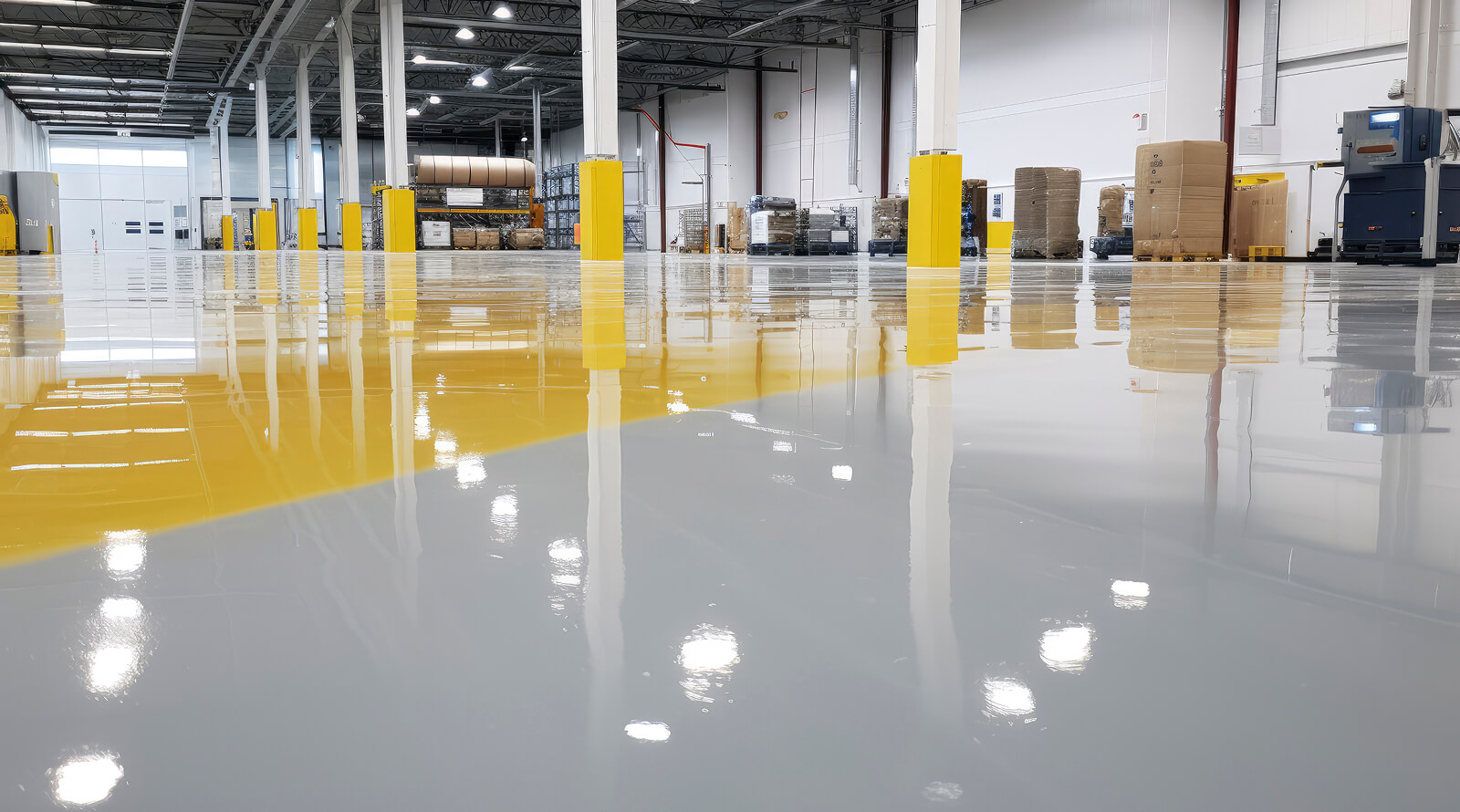
Flooring problems can affect more than just the physical surface. In factories, warehouses and other industrial facilities, including manufacturing plants, data centres, food production facilities and logistics centres, cracked concrete, peeling coatings and slippery floors can disrupt daily operations.
This can compromise workplace safety, make cleaning more difficult and create challenges in meeting compliance requirements.
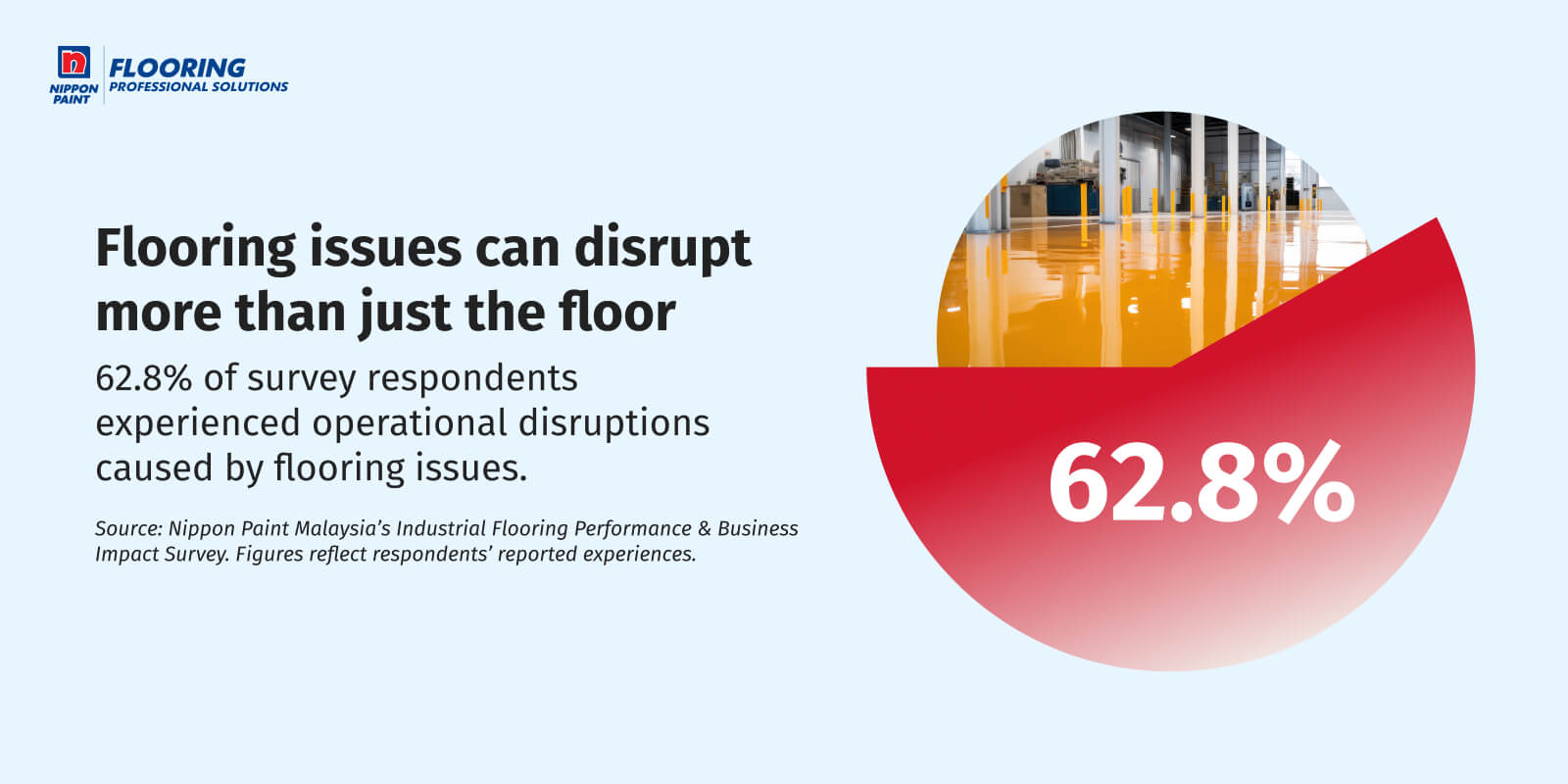
Nippon Paint Malaysia’s Industrial Flooring Performance & Business Impact Survey found that 62.8% of respondents experienced operational disruption caused by flooring issues.
Better long-term flooring performance starts with understanding what causes the problem, the conditions the floor is exposed to and whether the selected flooring system is suitable for the operating environment.
Key Takeaways
- Flooring problems can disrupt operations, affect workplace safety and make maintenance more difficult.
- Identifying the root cause is essential to preventing recurring flooring issues.
- Proper surface preparation and concrete repairs help support long-term flooring performance.
- The right flooring system should suit the facility’s traffic, loads, chemical exposure, hygiene and safety requirements.
- Nippon Paint FLOORSHIELD offers industrial flooring solutions for different operating environments.
Table of Contents
- Why Flooring Problems Can Become an Operational Issue
- Common Flooring Issues and How to Address Them
- Why Do Flooring Problems Keep Coming Back?
- Match the Flooring System to the Operating Environment
- Different Facilities Require Different Flooring Systems
- FAQs
Why Flooring Problems Can Become an Operational Issue
Floors in factories, warehouses and industrial facilities such as manufacturing plants, data centres, food production facilities and logistics centres face different demands every day, including:
- Cracks and damaged concrete caused by heavy loads and repeated traffic
- Dusty or worn concrete surfaces
- Peeling, bubbling or lifting floor coatings
- Slippery surfaces in areas exposed to water, oil or frequent cleaning
- Surface wear and damage from forklifts, machinery and heavy traffic
- Uneven floors that affect movement, drainage and cleaning
- Chemical and oil damage in manufacturing and processing environments
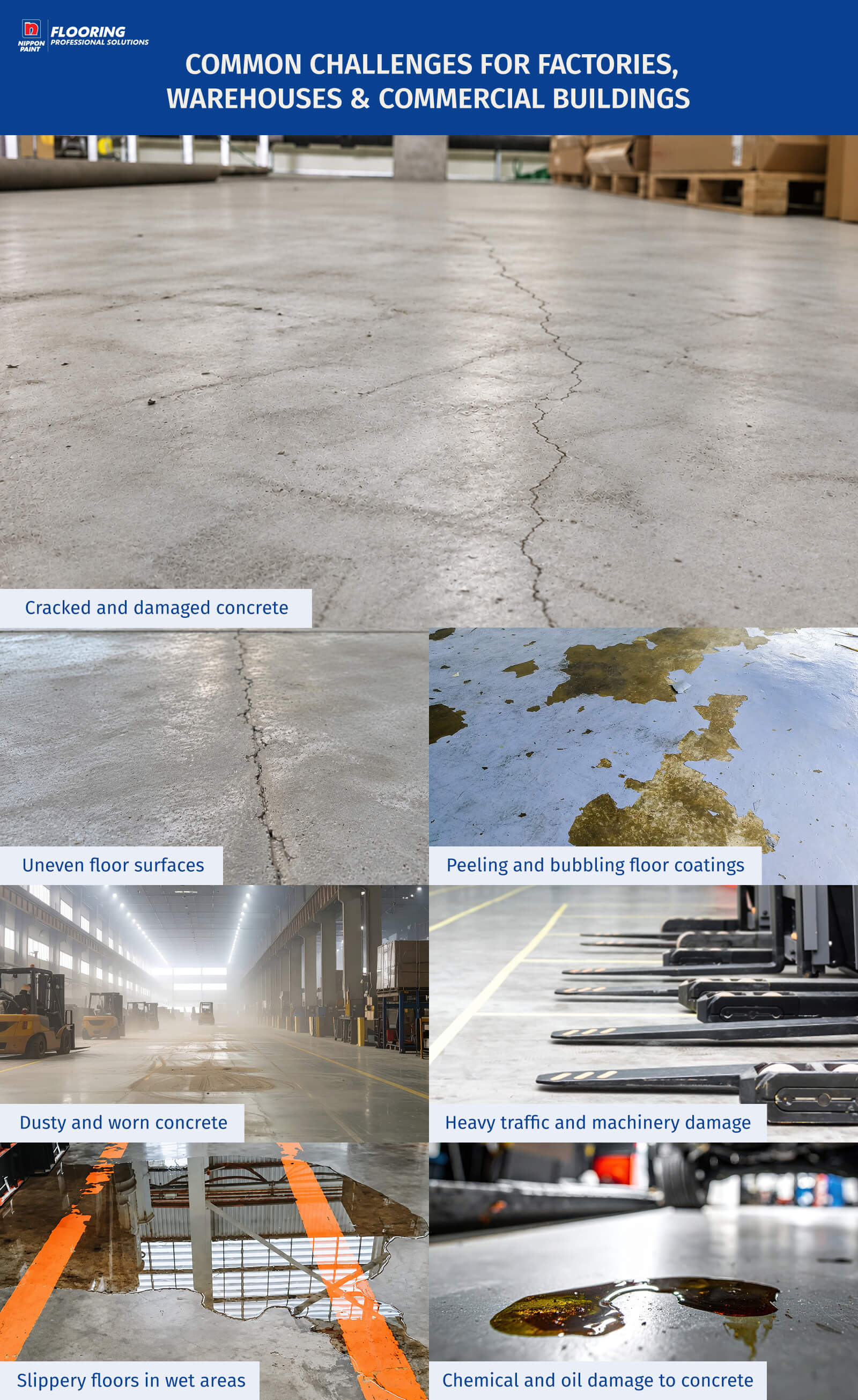
When flooring problems occur, they can affect more than the surface itself. Damaged floors may disrupt production and material movement, make cleaning more difficult, increase safety risks and create challenges during inspections and audits.
Addressing these issues early and identifying their root causes can help reduce disruption, avoid repeated repairs and support better long-term floor performance.
Common Flooring Issues and How to Address Them
1. Cracks and Damaged Concrete Floors
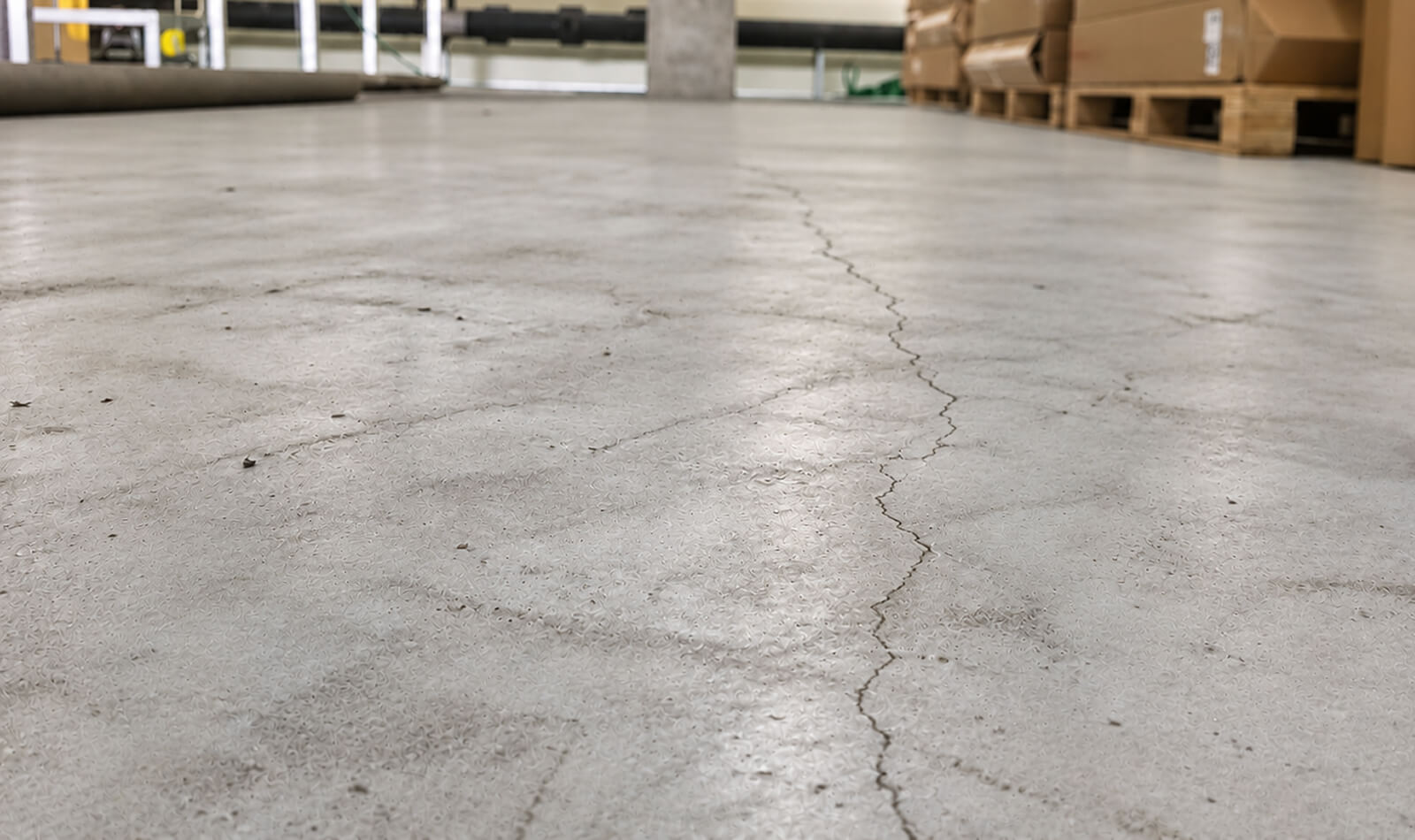
Cracks and damaged joints can develop due to repeated loading, forklift movement, concrete shrinkage, settlement and temperature changes.
If left untreated, these issues can worsen over time, affect equipment movement and make the floor more difficult to clean. Simply filling the cracks may not provide a lasting solution if the underlying cause remains.
How to address the problem:
- Assess the cause of the cracks and the condition of the concrete before starting repairs.
- Repair cracks and damaged joints using suitable methods for the type and extent of damage.
- Prepare the concrete surface properly before applying a new flooring system.
Addressing the cause of the damage first can help reduce the risk of cracks returning after repairs.
2. Dusty and Worn Concrete Floors
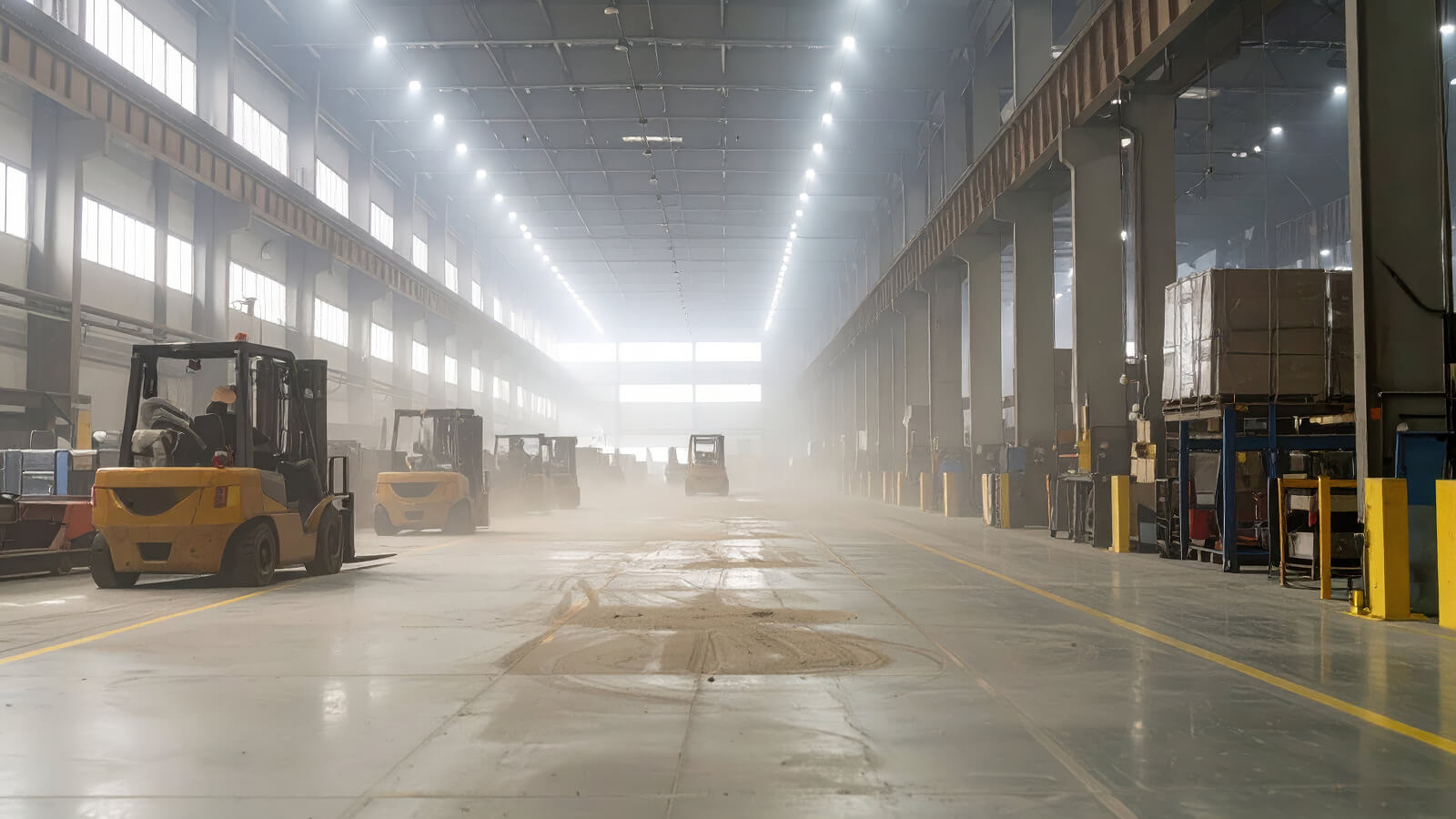
Concrete floors can become dusty when the surface wears down under frequent foot traffic, forklifts and machinery. This may be caused by excess water in the concrete mix, improper mixing, poor finishing or inadequate curing.
Dusty floors can make housekeeping more difficult, while continued wear may leave the concrete surface increasingly rough and damaged.
How to address the problem:
- Strengthen and protect the concrete surface before deterioration becomes more severe.
- Remove loose material, prepare the surface, and apply a suitable floor hardener, densifier or epoxy coating to improve durability and reduce wear.
3. Peeling, Bubbling and Lifting Floor Coatings
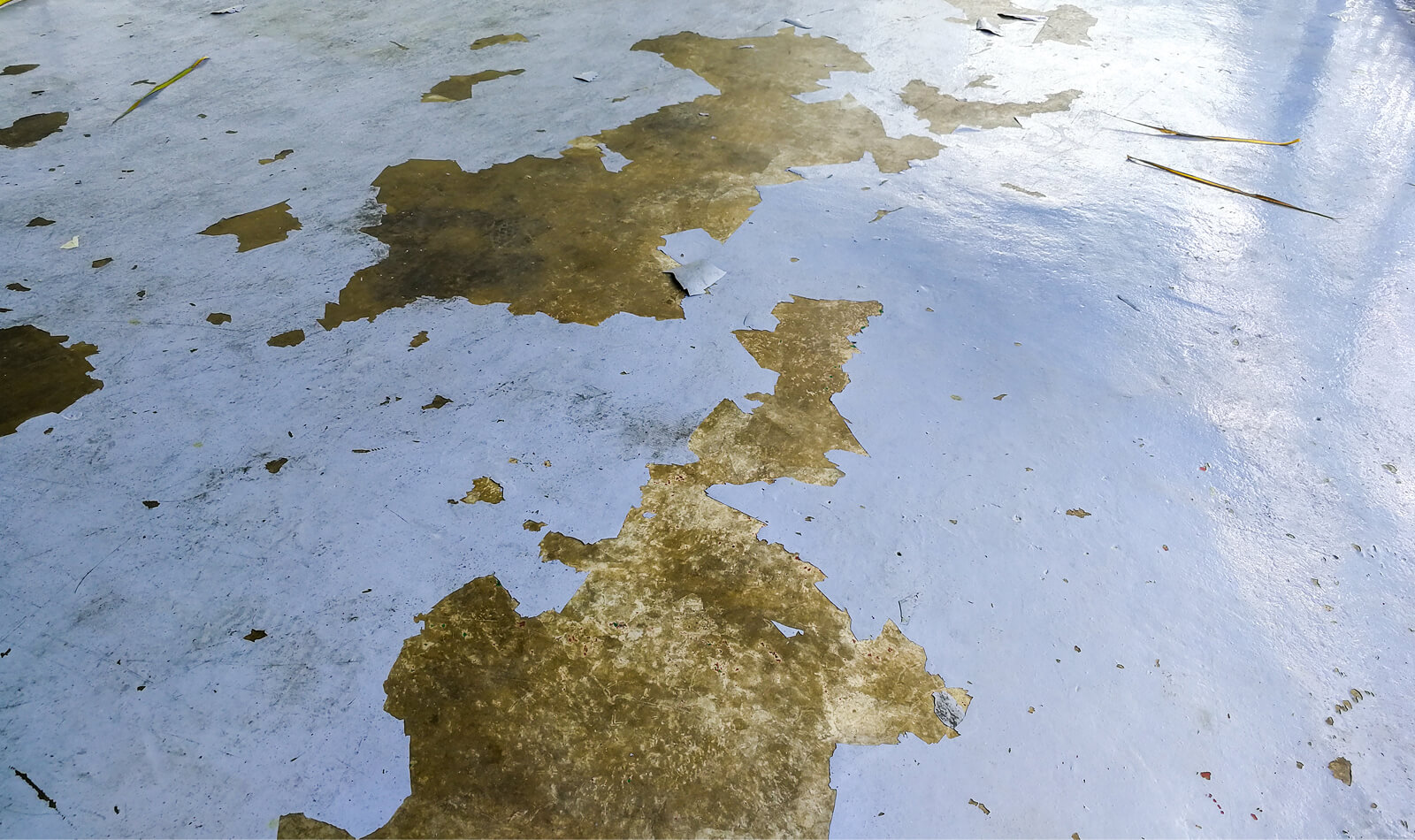
Peeling or bubbling epoxy flooring may occur when the coating loses its grip on the concrete. Common causes include moisture, oil or dirt on the surface, poor surface preparation, unsuitable primers or an unsuitable flooring system.
Applying another coat without addressing these problems may cause the same issue to return.
How to address the problem:
- Identify the cause of the coating failure, including possible moisture or surface contamination.
- Remove loose or damaged coatings and prepare the concrete using suitable methods, such as grinding or scarifying where required.
- Ensure the substrate is properly prepared before applying a compatible primer and new floor coating.
Proper surface preparation and choosing the right flooring system can help improve adhesion and reduce the risk of recurring problems.
4. Slippery Floors
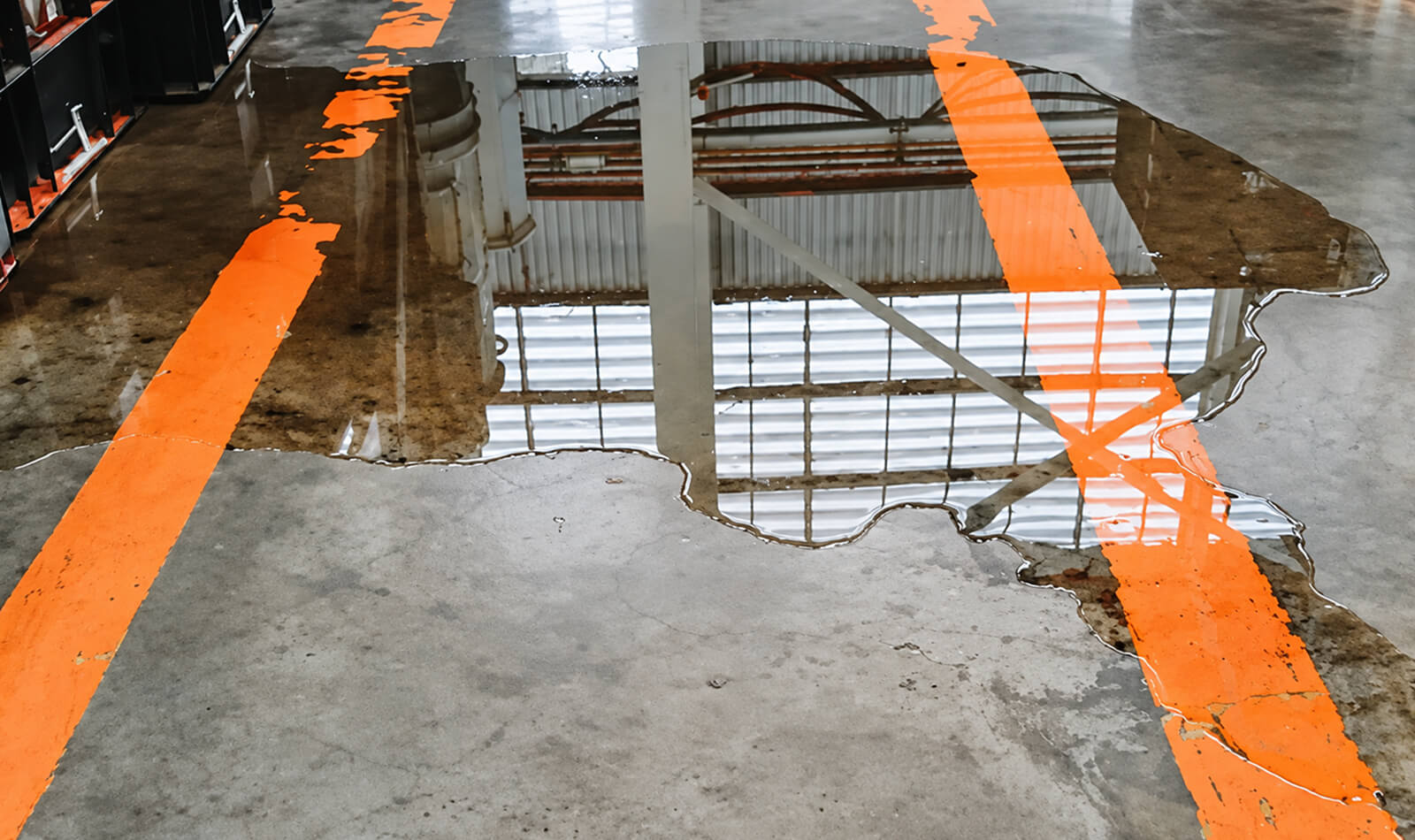
Water, oil and other liquids can make floors slippery in factories, warehouses, food-processing areas, workshops and loading zones.
Slip risks can also be affected by drainage, cleaning methods, the type of contaminants present and how the space is used.
Nippon Paint Malaysia’s Industrial Flooring Performance & Business Impact Survey found that 40.3% of respondents identified worker safety as a direct impact of flooring problems.
How to address the problem:
- Choose an anti-slip floor coating or textured flooring system where additional grip is needed.
- Consider the area’s exposure to water, oil and other liquids when selecting the flooring finish.
- Review drainage and cleaning practices to help prevent liquid build-up and maintain safe floor conditions.
The right balance between slip resistance and ease of cleaning is particularly important in areas that require frequent washdowns.
5. Damage from Heavy Traffic and Forklift Movement
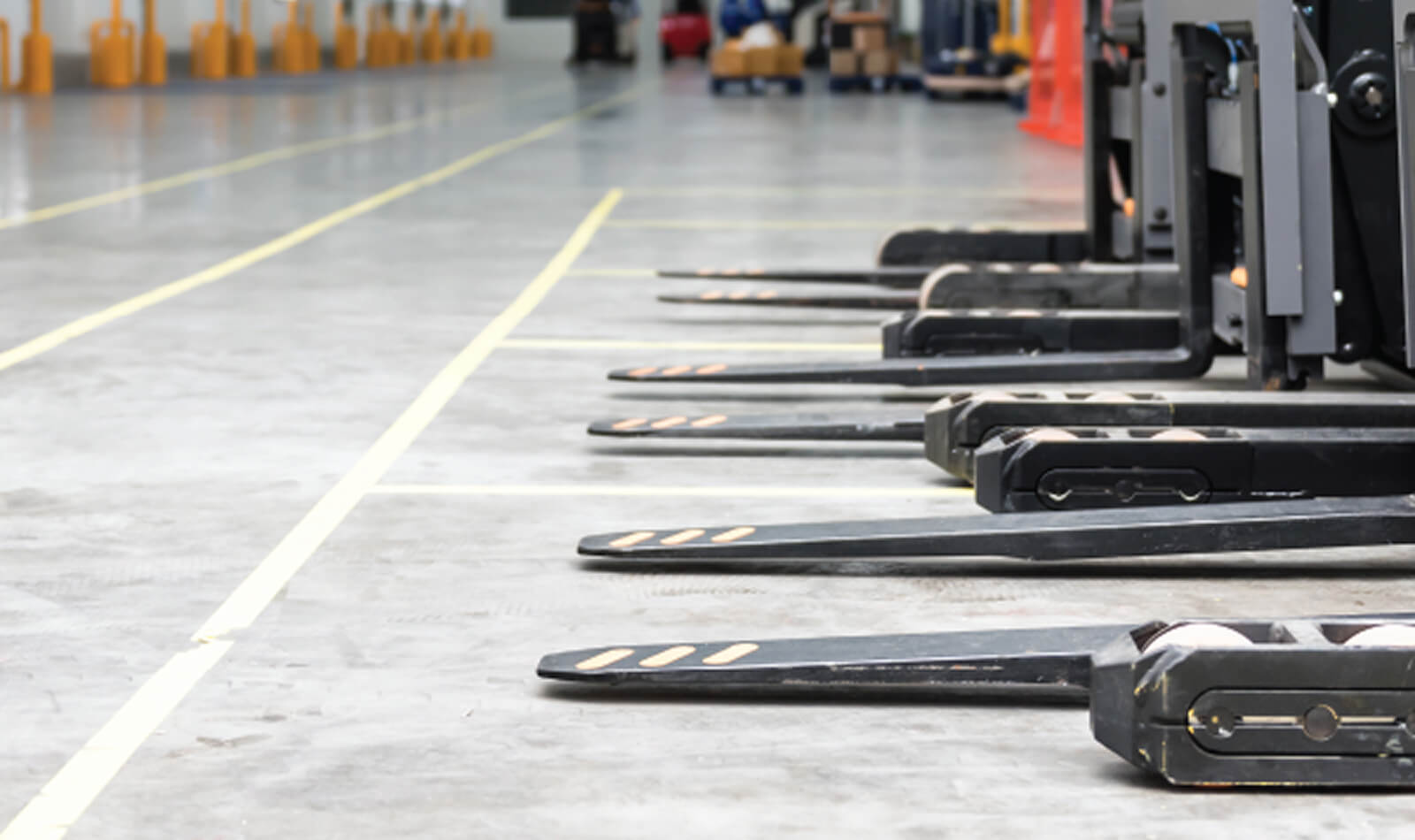
Forklift routes, turning areas, loading zones and production floors experience repeated traffic, impact and pressure from heavy equipment.
Without suitable flooring, daily operations can cause deep scratches, surface wear and early floor failure. Damaged areas may also need to be closed for repairs, affecting material movement and workflow.
How to address the problem:
- Assess the weight and frequency of equipment movement, including forklifts and pallet trucks.
- Choose a heavy-duty flooring system suited to the facility’s traffic and load requirements.
- Repair damaged concrete and prepare the substrate before installing a new floor coating.
Nippon Paint FLOORSHIELD industrial flooring solutions provide options for different traffic and performance requirements.
6. Uneven Floor Surfaces
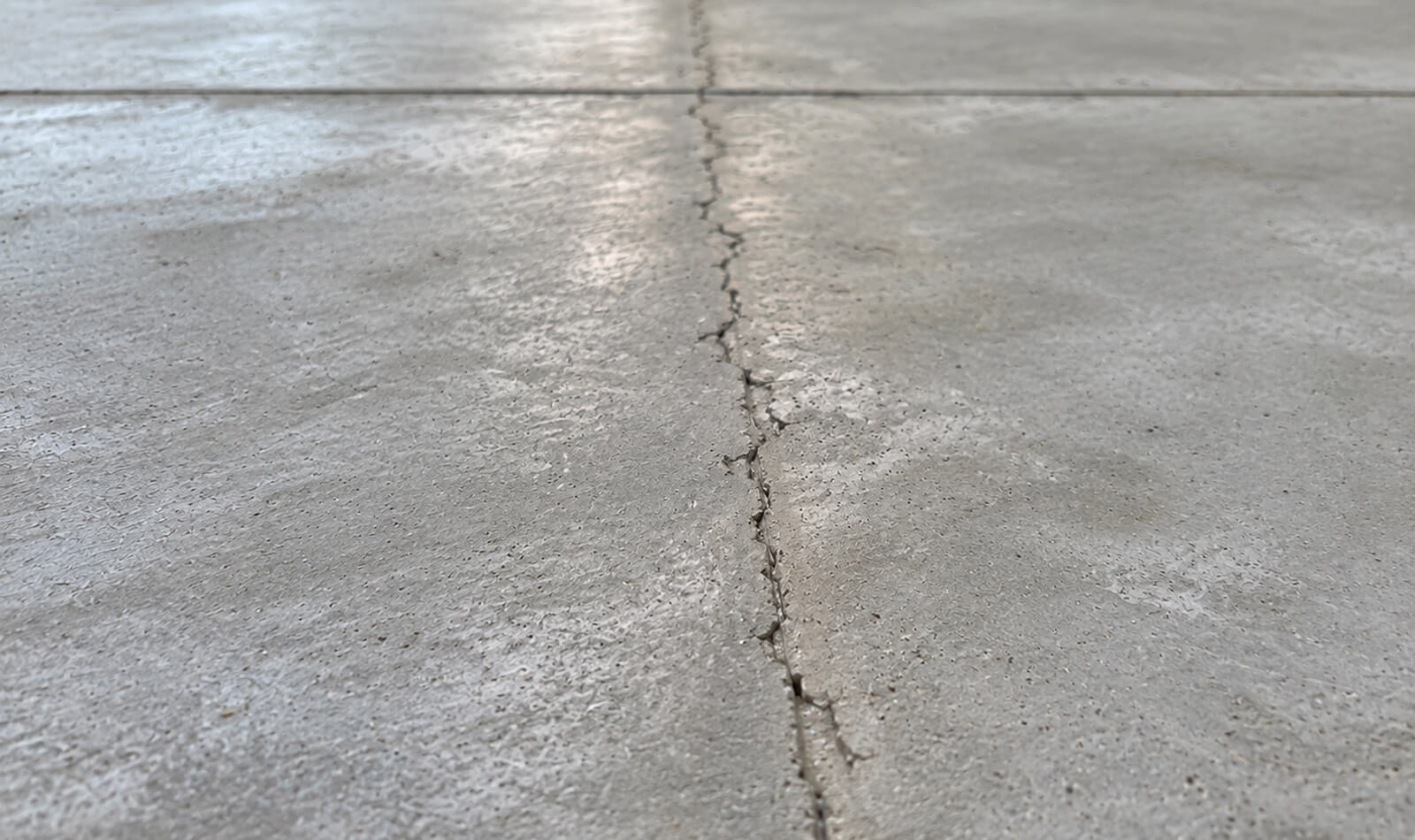
Uneven floors can affect pedestrian movement, forklift operations and the movement of goods. Low spots may also collect standing water or cleaning liquids, creating additional safety and hygiene concerns.
Applying a new coating over an uneven or damaged substrate may not resolve the underlying problem.
How to address the problem:
- Assess the existing concrete to identify uneven areas and any underlying damage.
- Repair unstable or damaged sections before applying the final flooring system.
- Use a suitable levelling underlayment to smooth rough or uneven concrete where required.
- Consider self-levelling epoxy flooring for suitable applications that require a smooth, seamless finish.
Proper substrate preparation helps create a more suitable surface for the final flooring system.
7. Chemical and Oil Exposure
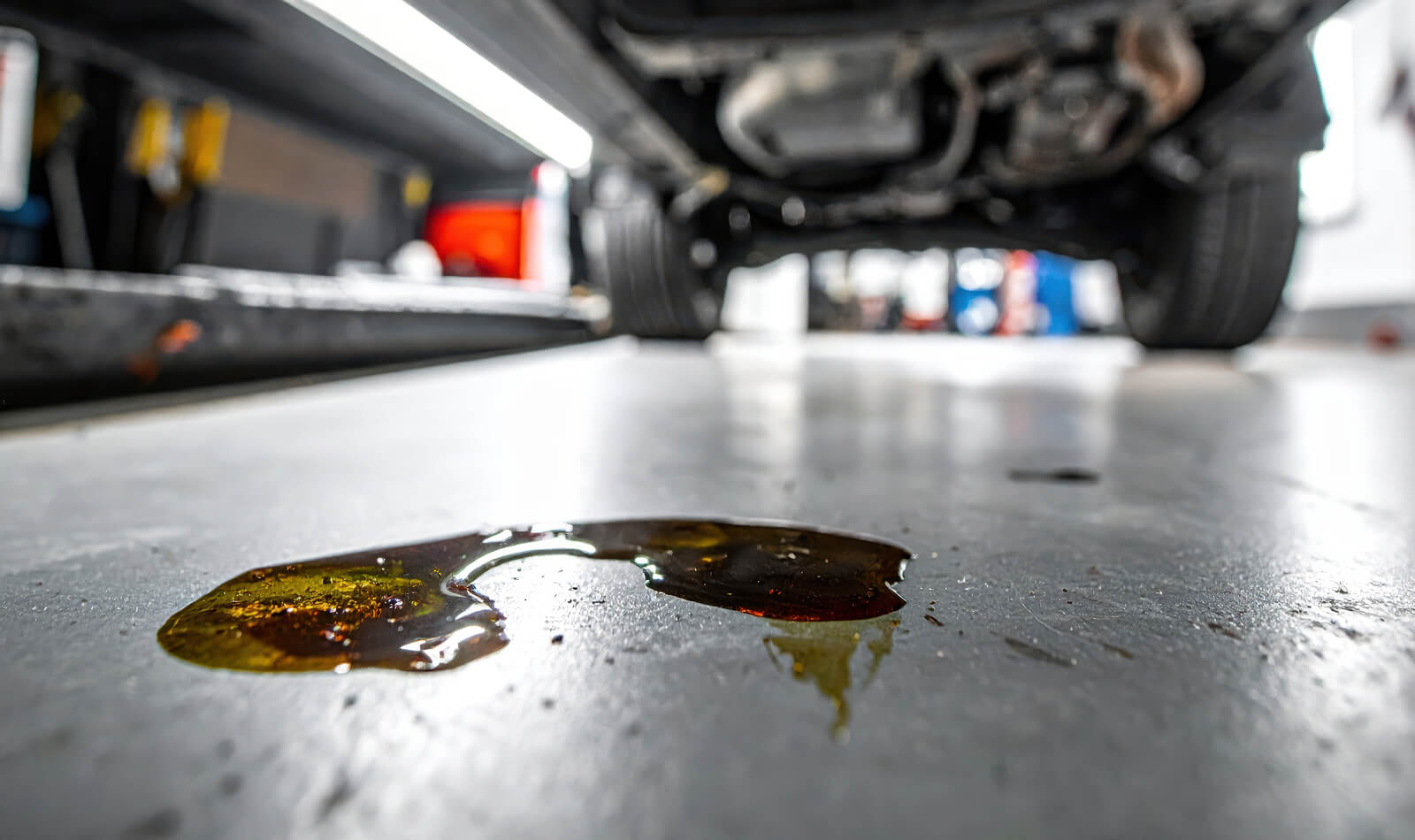
Manufacturing plants, automotive workshops and chemical facilities may expose floors to oils, fuels, cleaning agents and other chemicals.
If the flooring is unsuitable for these conditions, repeated exposure can cause staining, softening, blistering or surface deterioration.
How to address the problem:
- Identify the types of chemicals and oils that may come into contact with the floor.
- Select a flooring system with suitable chemical and abrasion resistance.
- Ensure the concrete is properly prepared before applying the selected coating.
Nippon Paint FLOORSHIELD offers epoxy and epoxy-PU flooring systems for environments that require abrasion and chemical resistance. The appropriate system should be selected according to the chemicals involved and the facility’s operating conditions.
Why Do Flooring Problems Keep Coming Back?
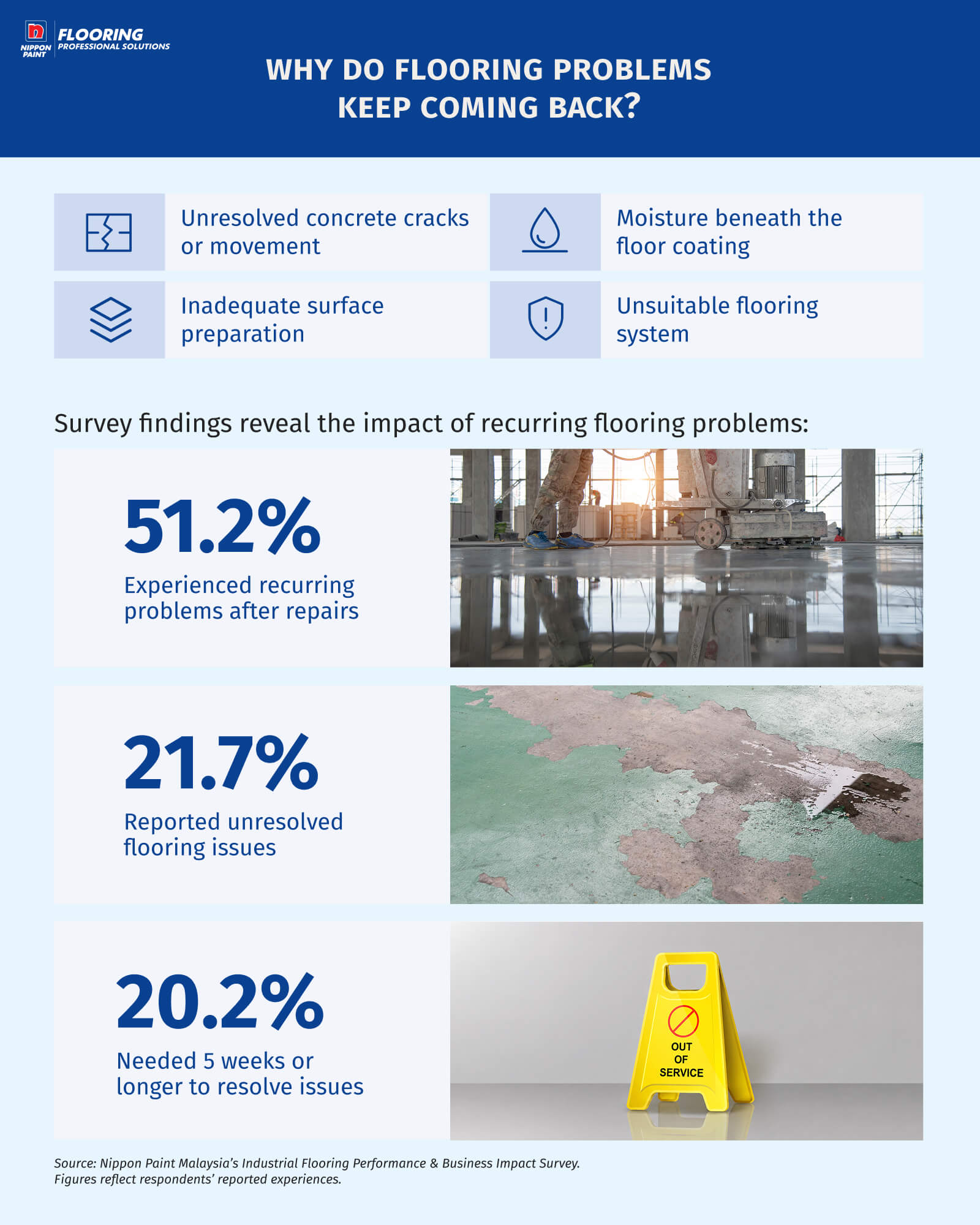
Repairing the visible damage does not always resolve the cause of the problem. Nippon Paint Malaysia’s Industrial Flooring Performance & Business Impact Survey found that:
- 51.2% of respondents experienced recurring flooring problems after repairs.
- 21.7% reported unresolved flooring issues.
- 20.2% said resolving flooring problems took five weeks or longer.
Recurring problems may result from:
- Unresolved concrete cracks or movement
- Moisture beneath the floor coating
- Inadequate surface preparation
- An unsuitable flooring system for the operating environment
For example, a new coating may peel again if moisture or contamination remains beneath the surface. Similarly, a floor may wear out quickly if it is not designed to handle the weight and movement of heavy equipment.
Rather than repeating the same repair, it is important to identify the root cause before deciding on the repair method or replacement flooring system. This can help reduce repeated intervention, maintenance costs and operational disruption.
Match the Flooring System to the Operating Environment
Different facilities place different demands on their floors. A warehouse with frequent forklift movement has different requirements from a food-processing facility that undergoes regular washdowns or a manufacturing plant exposed to chemicals.
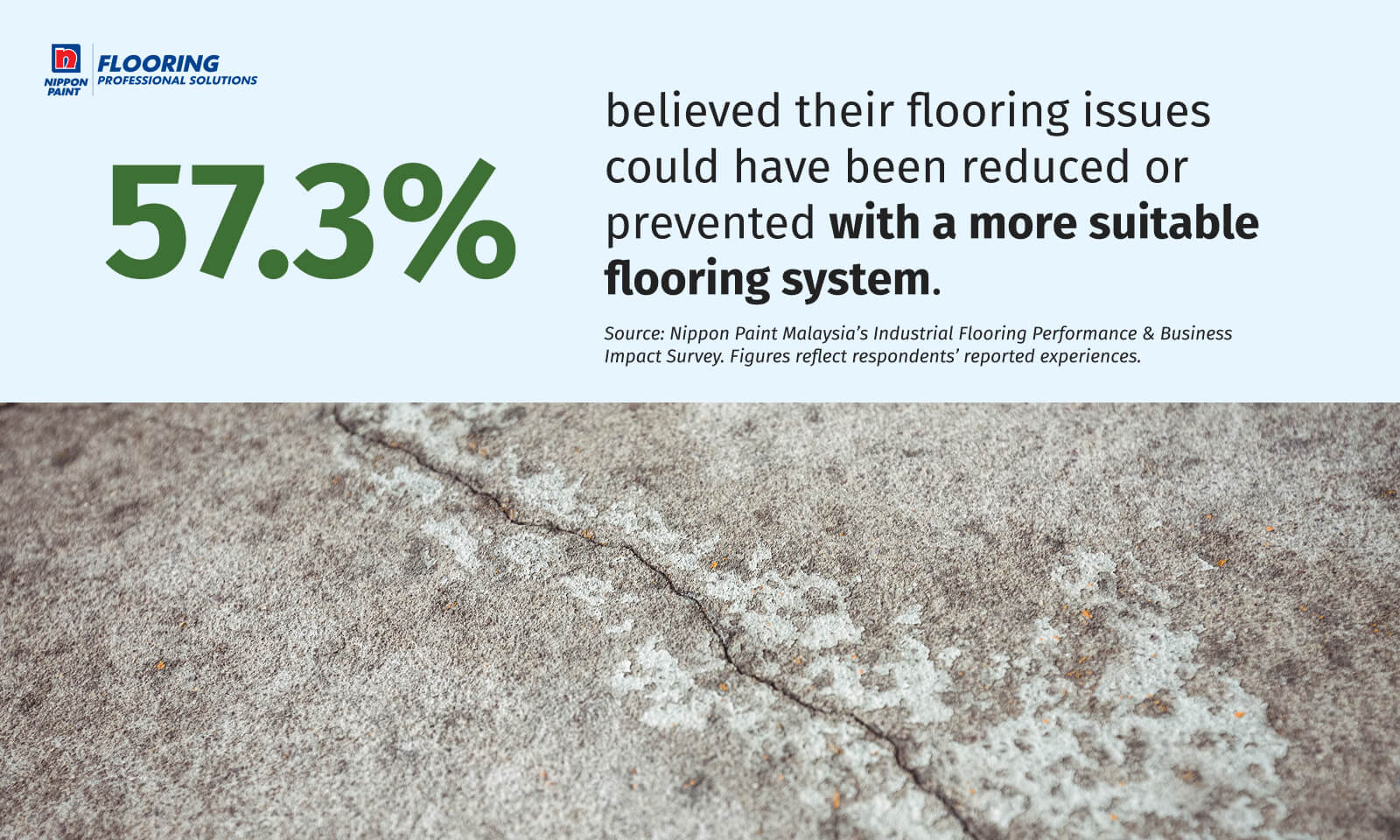
Nippon Paint’s survey found that 57.3% of respondents believed their flooring issues could have been reduced or prevented by choosing a more suitable flooring system from the outset.
When choosing an industrial flooring system, consider the following:
- Traffic and mechanical loads: Foot traffic, forklifts, heavy machinery and impact.
- Chemical exposure: Oils, fuels, cleaning agents and industrial chemicals.
- Moisture: Damp concrete, water spills and frequent washdowns.
- Temperature: Exposure to heat, cold and temperature changes.
- Safety: Slip resistance required for the area’s activities and conditions.
- Hygiene: Cleaning frequency, drainage and ease of maintenance.
- Electrostatic control: Requirements for sensitive environments, such as electronics manufacturing and data centres.
- Existing substrate condition: The strength, moisture condition and levelness of the concrete.
Considering these factors can help determine whether a floor hardener, protective floor coating, industrial epoxy flooring or another specialised system is suitable for the facility.
Different Facilities Require Different Flooring Systems
Not every facility has the same flooring requirements. Depending on the operating environment, floors may need different levels of durability, chemical resistance, hygiene performance, temperature resistance or electrostatic control.
Nippon Paint FLOORSHIELD industrial flooring solutions cater to various environments, including:
- Production and manufacturing facilities
- Warehouses and logistics centres
- Chemical processing facilities
- Automotive workshops
- Aviation facilities
- Data centres and electronics facilities
- Food-processing facilities
- Cold storage facilities
These solutions are part of Nippon Paint’s Total Coating & Construction Solutions (TCCS), which brings together flooring systems and technical expertise to address the requirements of different built environments.
If your flooring problems keep coming back, it may be time to look beyond the repair itself. Understanding the cause of the damage and selecting a flooring system suited to your facility can help support safer operations, easier maintenance and better long-term floor performance.
Explore flooring solutions from Nippon Paint Malaysia to find options suited to your industrial facilities.
FAQs
1. What are the most common industrial flooring problems?
Common industrial flooring problems include cracked concrete, dusty or worn surfaces, peeling or bubbling coatings, slippery floors, uneven surfaces, chemical damage and wear caused by forklifts or heavy machinery.
These problems are commonly found in factories, warehouses, manufacturing plants, logistics centres and food production facilities, where floors are exposed to frequent traffic, heavy loads, moisture, chemicals and daily operational demands.
2. Why does concrete flooring become dusty?
Concrete floors may become dusty when the surface begins to weaken or wear away. Common causes include frequent forklift and machinery movement, heavy traffic, poor concrete finishing, improper curing or problems with the original concrete mix.
Strengthening and protecting the concrete surface early can help prevent further deterioration. Depending on the floor condition and operating requirements, suitable solutions may include floor hardeners, densifiers or industrial flooring systems.
3. What is the best flooring for warehouses with heavy forklift traffic?
Warehouse floors exposed to frequent forklift movement, pallet loads and heavy traffic generally require a durable industrial flooring system with suitable abrasion and impact resistance.
The right system depends on factors such as traffic frequency, equipment weight and the condition of the existing concrete. Nippon Paint FLOORSHIELD offers options developed for medium- to heavy-duty industrial environments, including warehouses and production facilities.
4. Why do industrial flooring problems keep coming back after repairs?
Recurring flooring problems usually occur when the underlying cause has not been resolved. Common examples include moisture beneath the coating, movement in the concrete, inadequate surface preparation or a flooring system that is unsuitable for the operating environment.
Identifying the root cause before repairing or replacing the floor can help reduce repeated maintenance and premature coating failure.
5. Can Nippon Paint TCCS provide flooring solutions for different industrial facilities?
Yes. Nippon Paint Total Coating & Construction Solutions (TCCS) includes industrial flooring systems designed for different operating requirements.
Applications include manufacturing and production facilities, warehouses and logistics centres, food-processing facilities, cold storage, automotive workshops and other industrial environments. Visit Nippon Paint Industrial Coating Solutions to find the right flooring system for your facility.